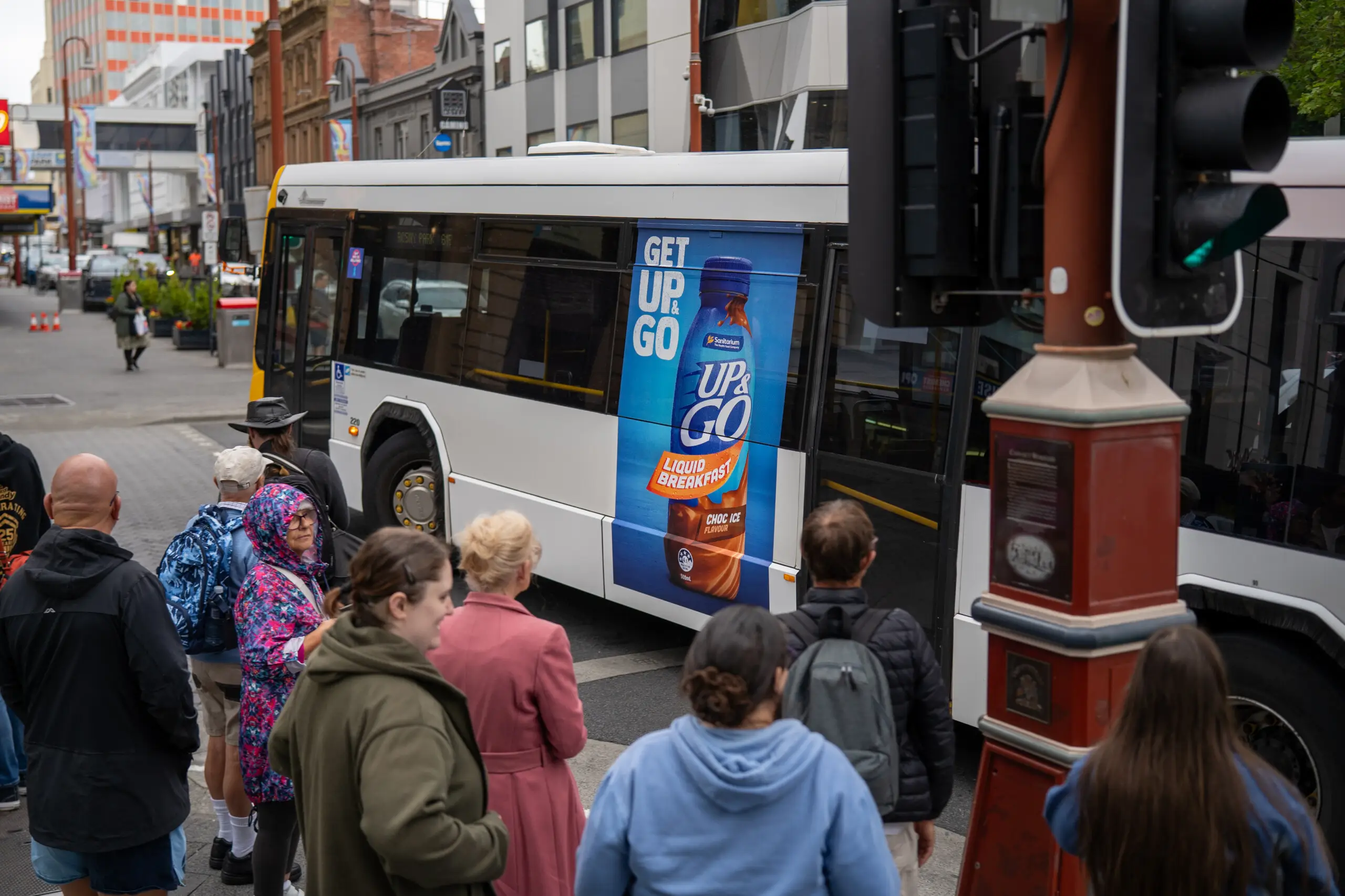
Looking for real-world pricing on bus and transit advertising in Australia? Here’s a clear guide to what it costs, why prices vary, and how GoTransit packages make budgeting easy.
Why transit advertising works (and how it’s measured)
Out-of-home (OOH) reaches almost everyone with new data using Australia’s official OOH measurement system shows 97% of Australians 14+ are reached weekly. MOVE 2.0 adds seasonal and even hourly audience insights so planners can see when and where people are exposed to ads across buses, trams, rail and more.
Our network of transit advertising at GoTransit Media Group reaches 19 million Australian adults every month.
What drives the price of bus and transit ads?
It’s never as simple as “how much is it to put my business on a bus”. There are important factors to consider when pricing your transit advertising:
Size of market (reach & frequency needs)
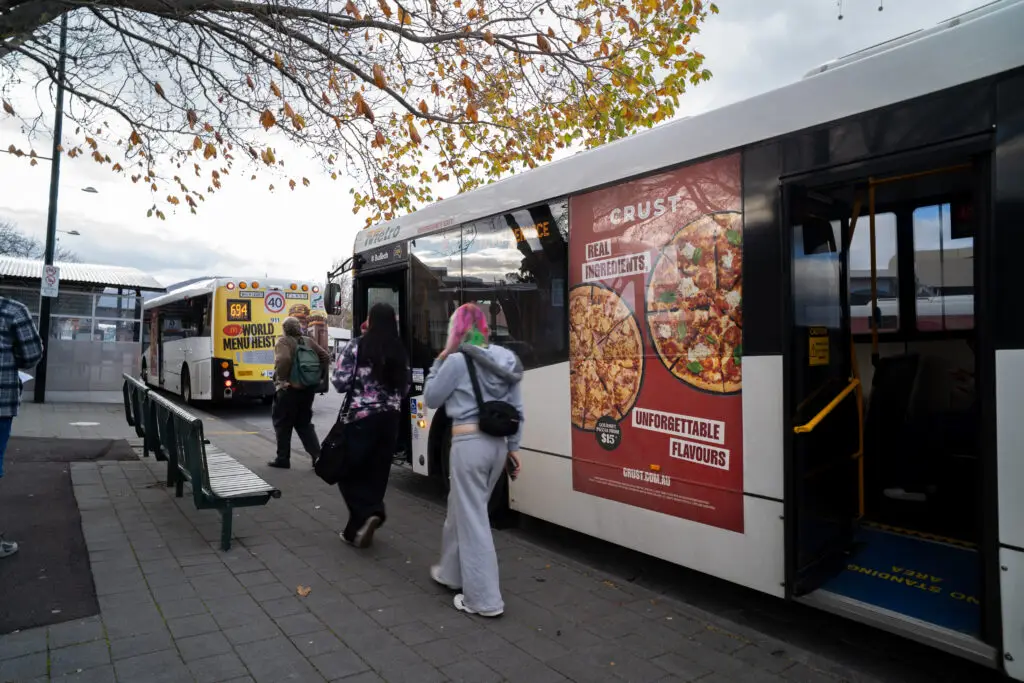
Smaller regional campaigns may only need a single panel; larger regional or metro areas typically need multiple panels to build frequency.
Format & panel size
What is the right format and panel for your message? We offer:
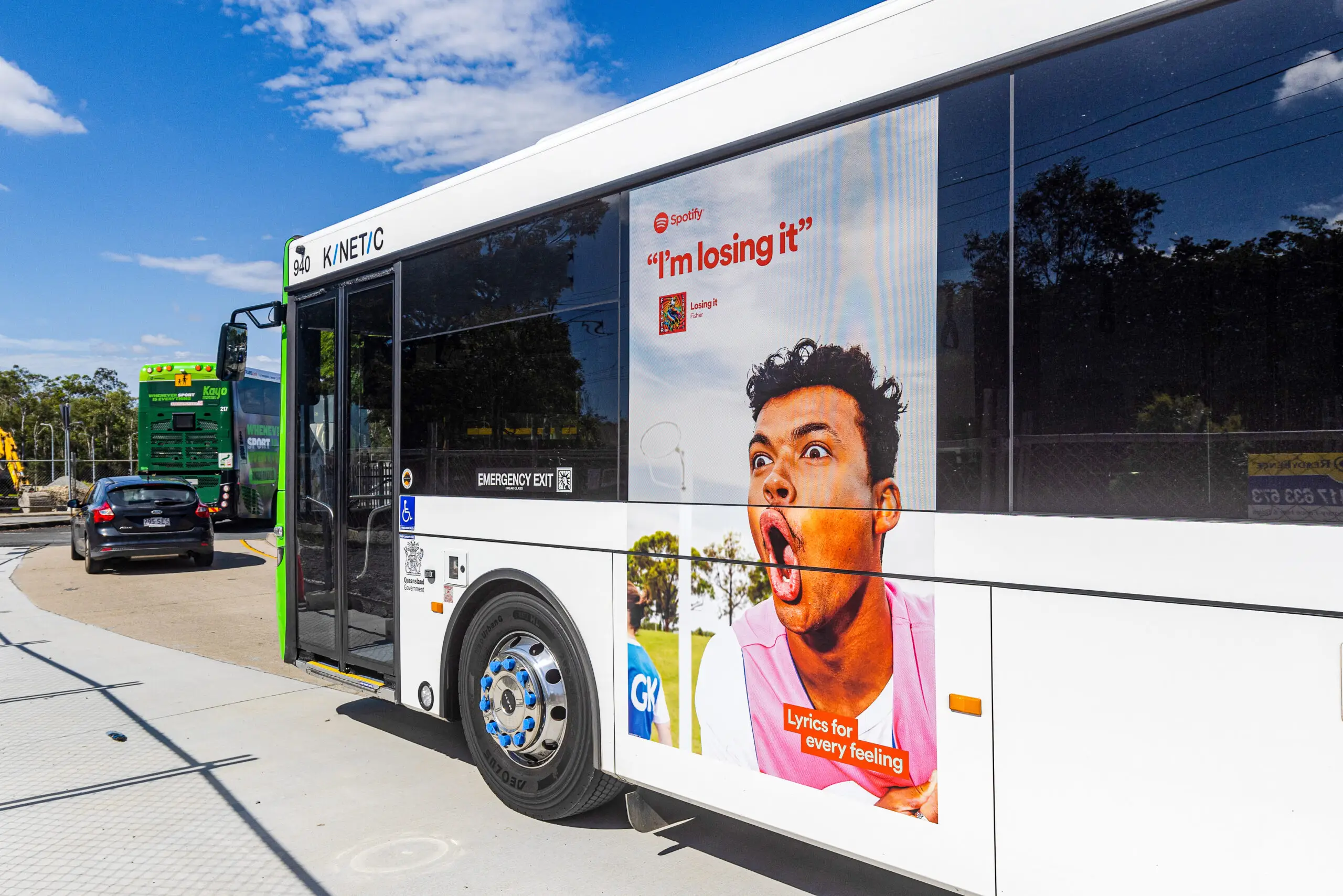
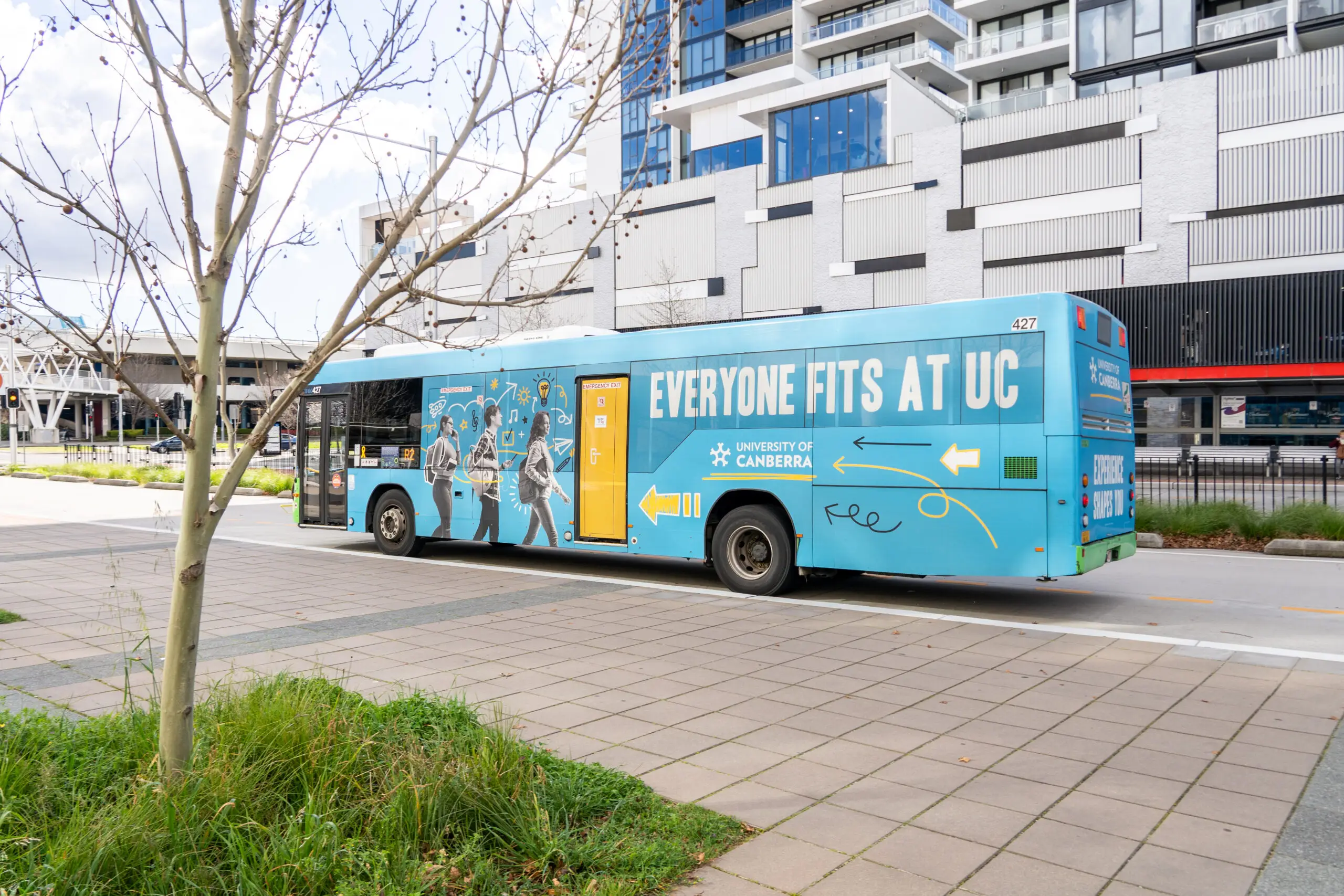
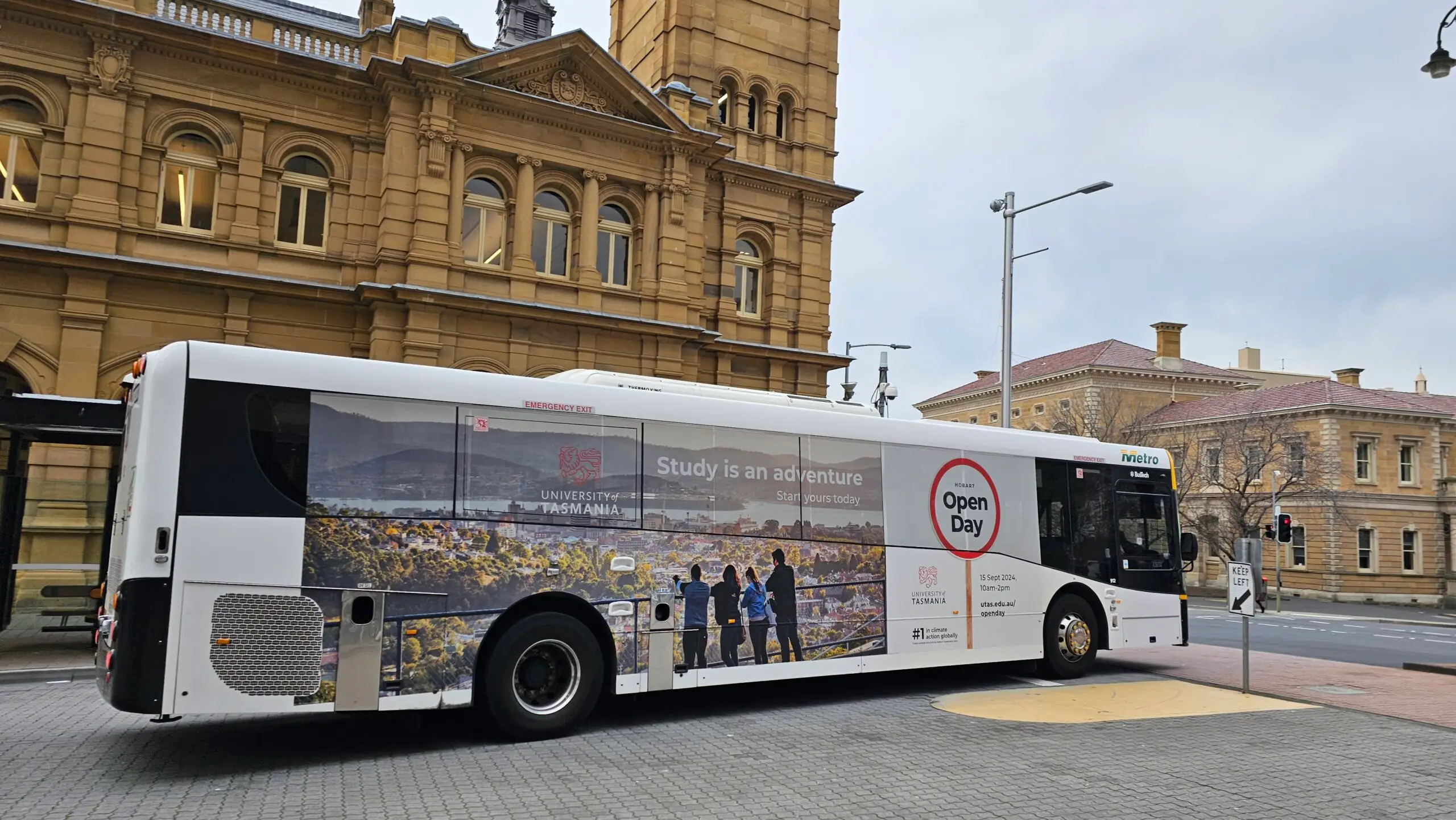
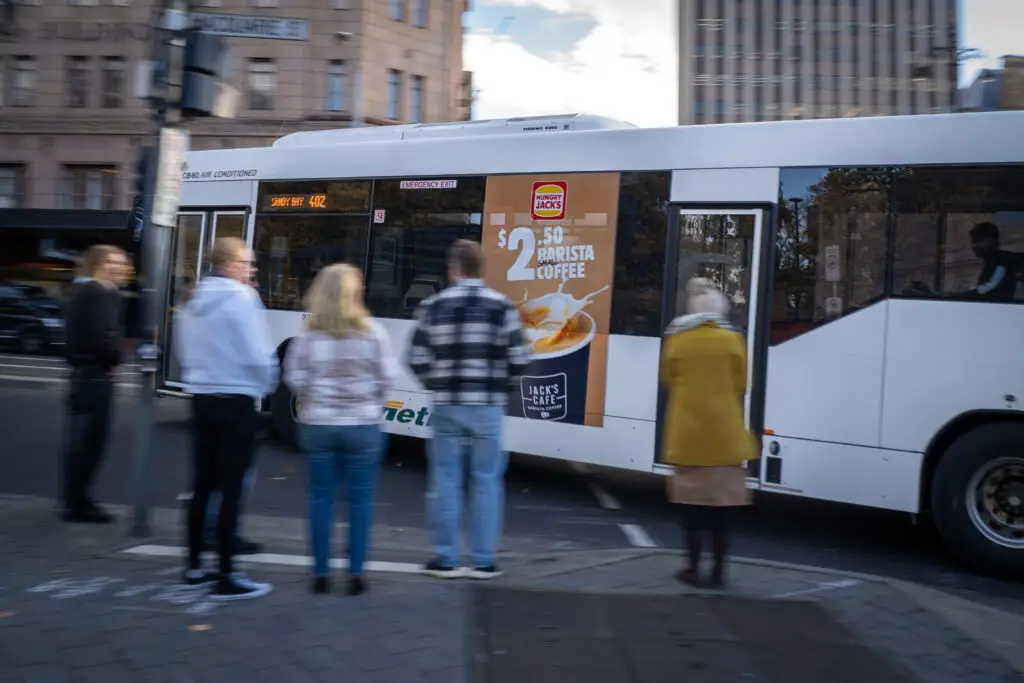
- Bus: portraits, twin/triple portraits, showcase, mini superside, megaside, full back, full wrap, internals
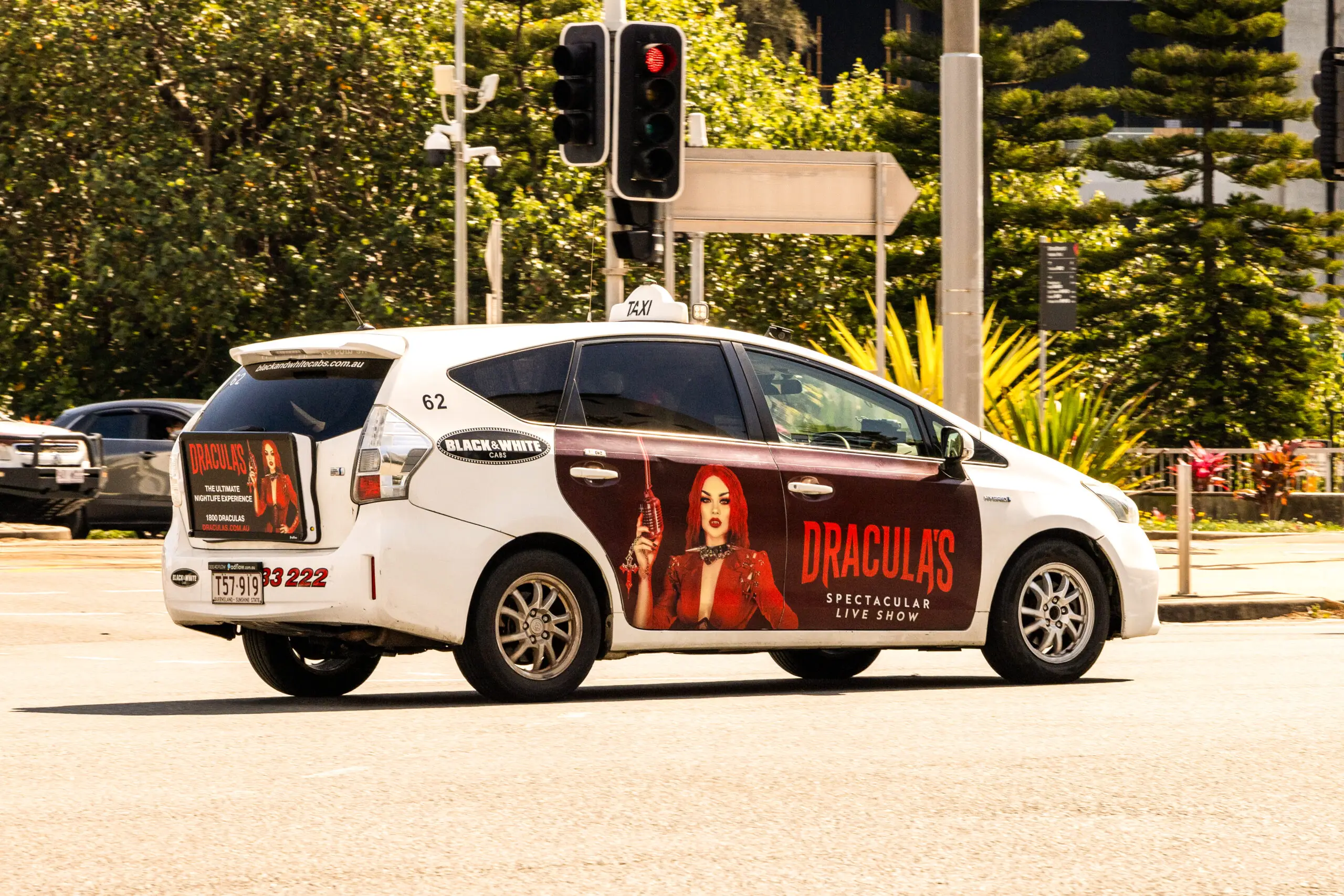
- Taxi: taxi tops, 4-door sedan wraps, maxi taxis
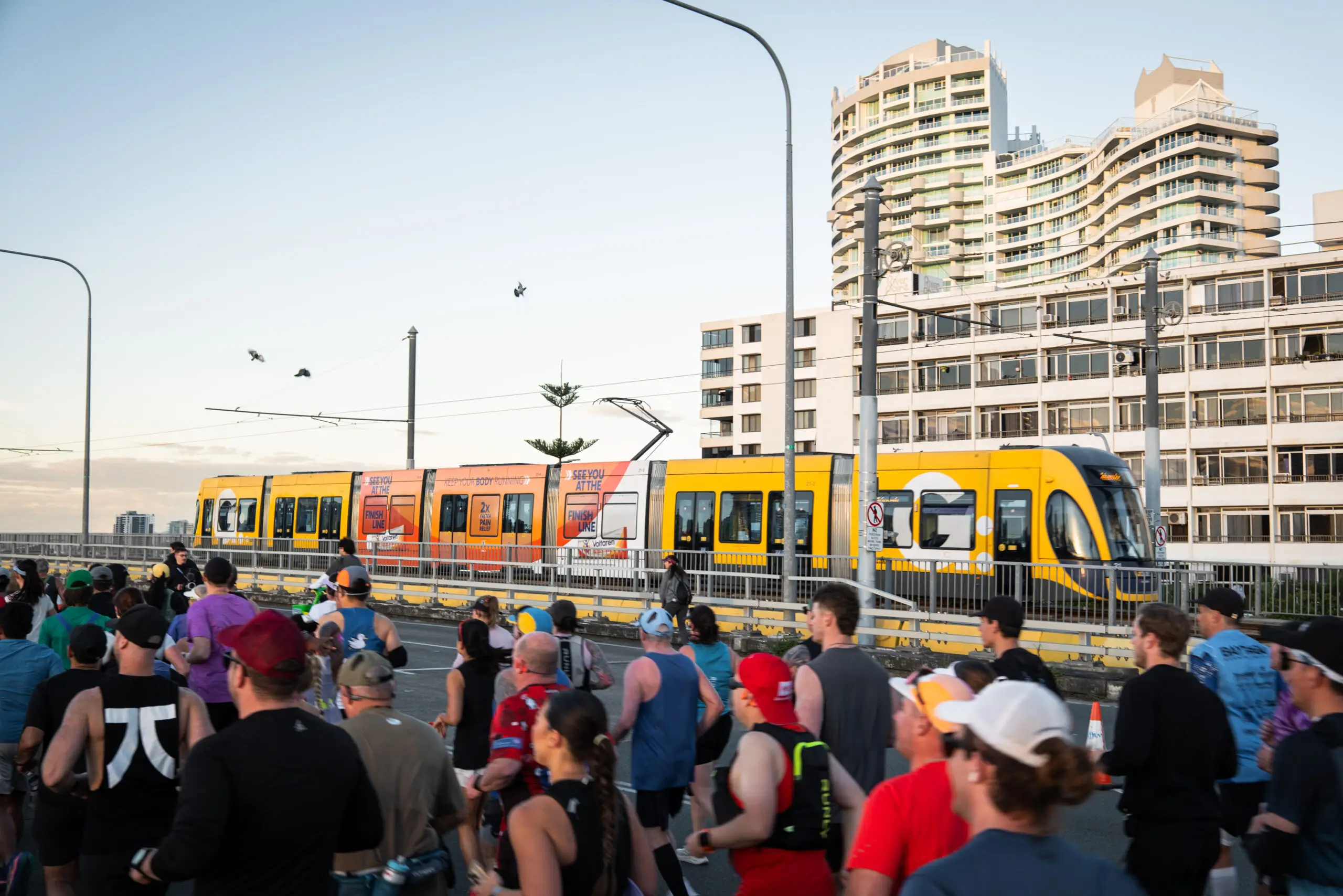
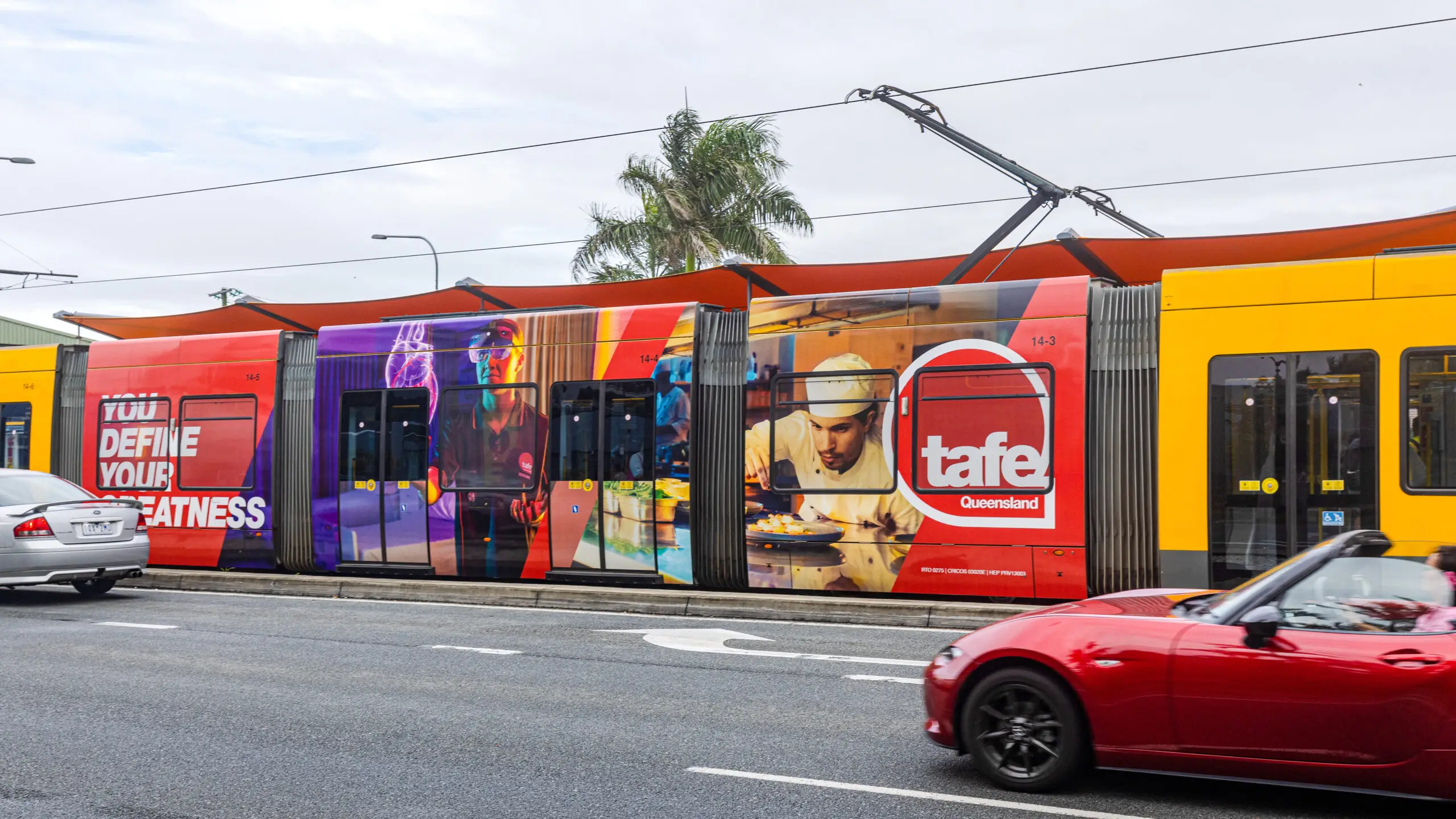
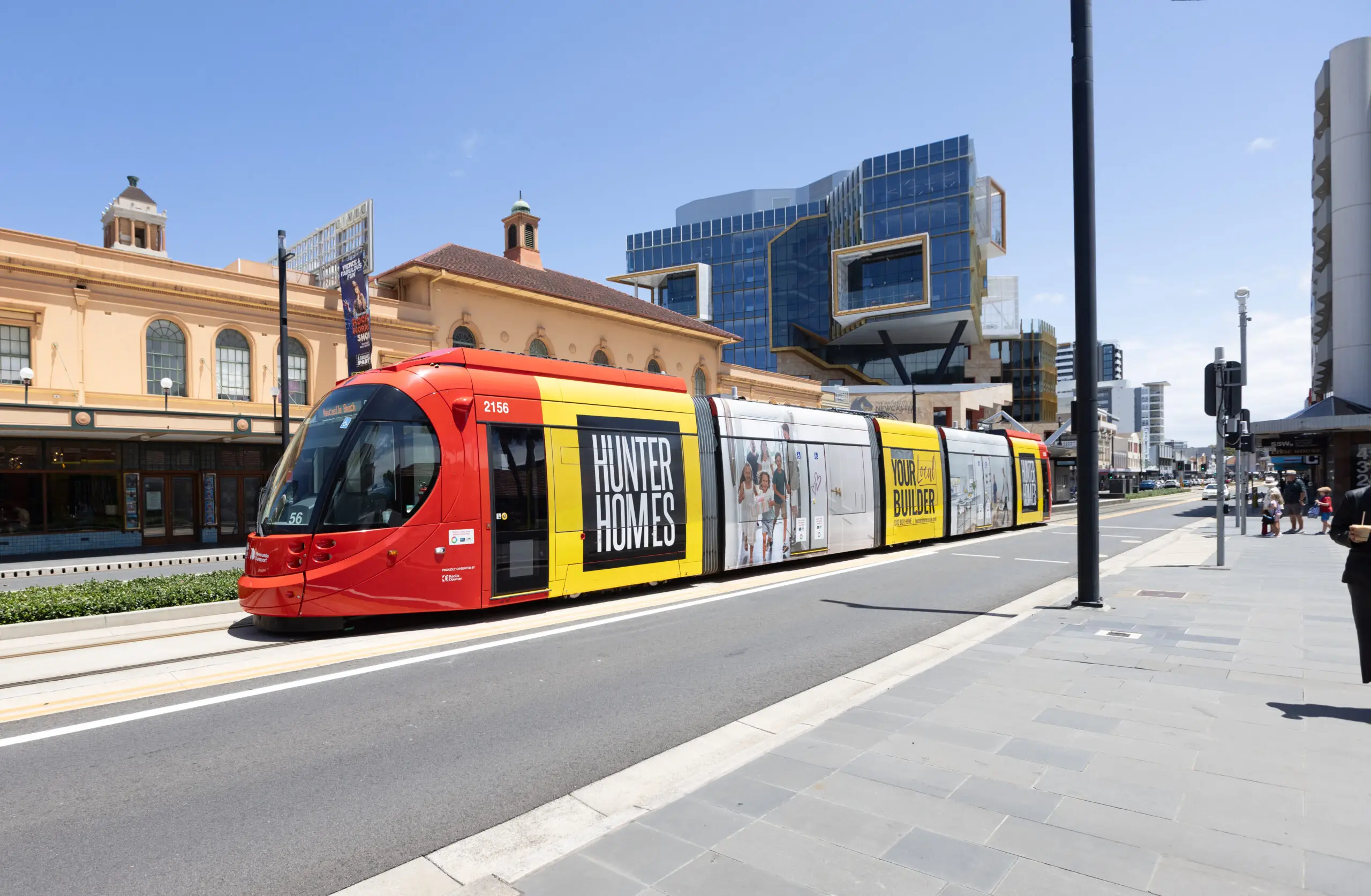
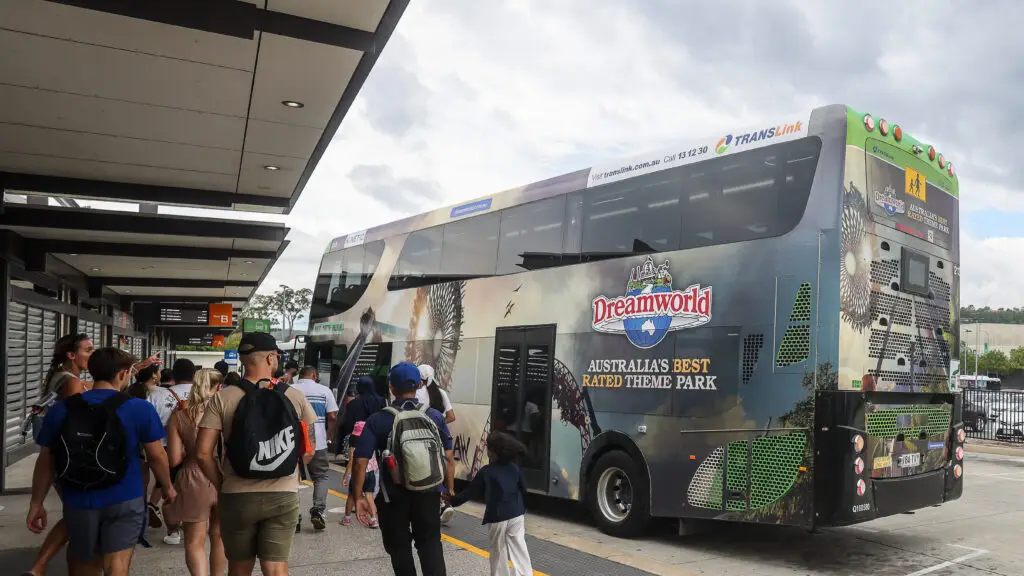
- Premium transit: e.g., SkyBus, Big Bus Sydney triple-carriage light rail, full-wrap light rail
Premium formats command higher rates due to scale, prominence and audience quality. For instance, SkyBus placements targeting Melbourne’s airport-to-CBD corridor are a premium buy with limited inventory.
Time on road
- Minimums: Event/short-conversion bursts typically run 4 to 13 weeks and requires a minimum of three panels for impact. Campaigns longer than 13-weeks have no minimum panel requirements.
- Maximums: 52 weeks (the vinyl prints expire and must be refreshed).
Longer placements build brand memory at efficient weekly rates. Transit is especially strong for sustained brand awareness.
Campaign objective
For brand awareness, longer continuous campaigns are strongest. For burst activity, some advertisers run short, high-frequency blocks and pair transit with digital to amplify conversions.
Design & creative
GoTransit’s in-house graphic design team can adapt your existing creative or build from scratch at no additional cost.
Production & installation (P&I)
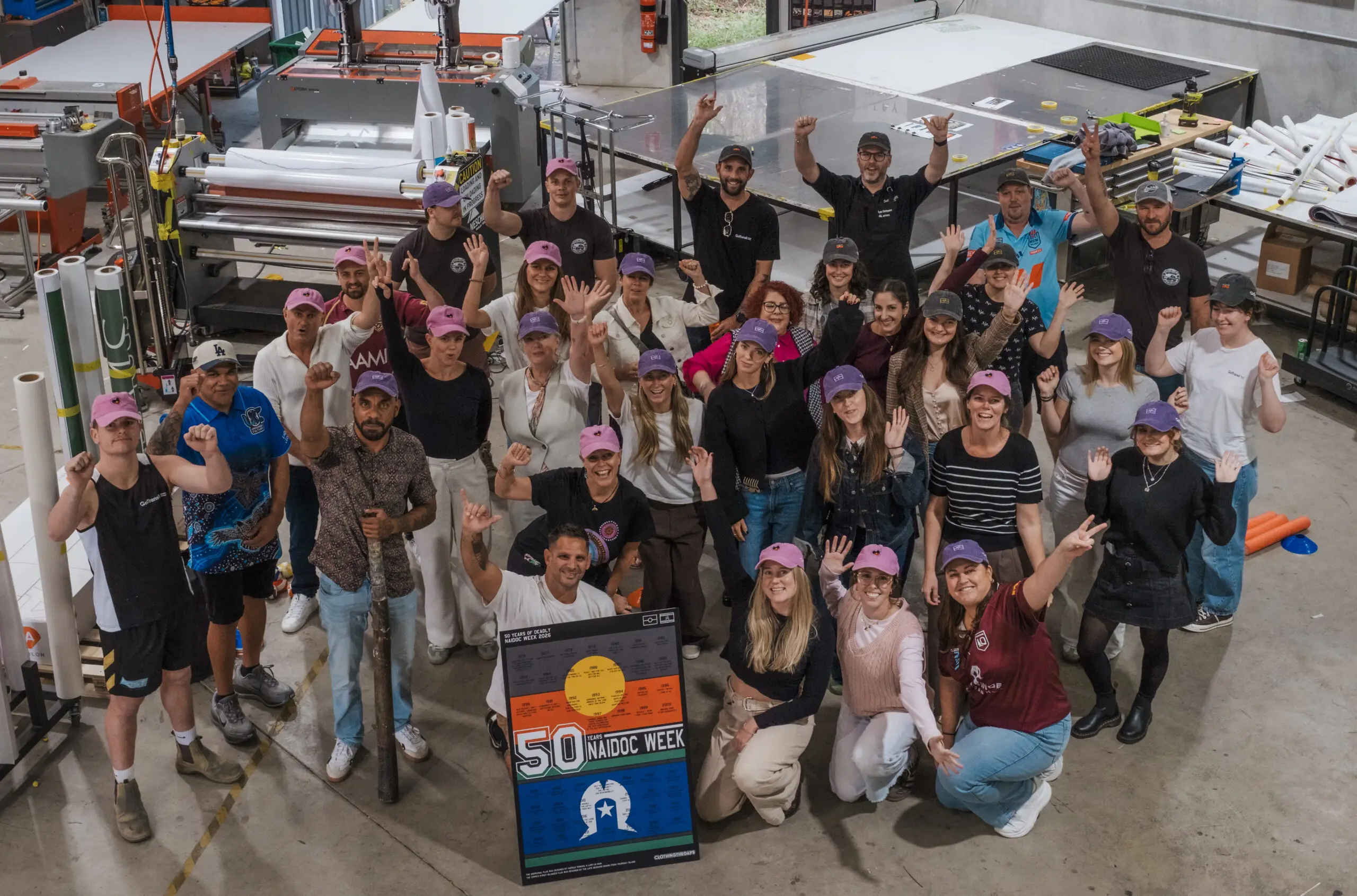
GoTransit includes production and installation pricing upfront and operates its own production facility, keeping quality high and timelines tight.
Packages & availability
Throughout the year, we offer market-specific packages (subject to availability) to simplify budgeting and accelerate go-to-market.
How much does bus advertising actually cost?
Below are indicative figures to help with planning (media = weekly placement fee; P&I = once-off production & installation). Exact quotes depend on market, format, fleet availability and time on road.
- Buses: Our smallest bus panel can go up from $150/week with a P&I cost of $375 per panel while our largest panel (the complete full wrap) can go on the road from $600/week with a one-off P&I cost of $10,500.
- Taxis: A 4-door sedan taxi starts at $120/week media cost with a $495 P&I cost.
What’s included with GoTransit?
- Creative/design: Included (free) — concepting, adaptation or full design.
- Production & installation: Included in your quote; handled in-house for quality control.
- Tracking & reporting: For qualified campaigns, we have access to the industry currency MOVE 2.0 audience analytics for planning and post insights on reach and impressions.
- Client service: Dedicated support from briefing to install to reporting.
Practical considerations & common questions
Can I choose bus routes?
Not specific routes, but you can choose the region to hyper-target areas that matter most.
Are there advertising restrictions?
Yes, creative must comply with local regulations and operator policies. For example, South Australia restricts “junk food” advertising on public transport. We’ll advise at briefing to ensure compliance.
How fast can we start?
Typical two-week turnaround from first contact and booking, subject to inventory and production.
How long does a skin last?
Up to 52 weeks before vinyl refresh is required (weathering).
Payment options
Upfront or monthly invoice on 14-day terms.
Transit advertising doesn’t have to be a guessing game. Pick the right market, format and timeframe, and it reliably builds brand memory at scale.
With creative and production included, transparent P&I, and audience insights via MOVE 2.0, GoTransit makes pricing and performance easy to understand. Whether you need a short, high-frequency burst or a long-term brand builder, we’ll shape a package that fits your goals and budget. Tell us your target region and campaign goal, and we’ll get your brand on the road.

Have a question about something in this story?
Send us a message or have a chat to our friendly team.
Get in touch