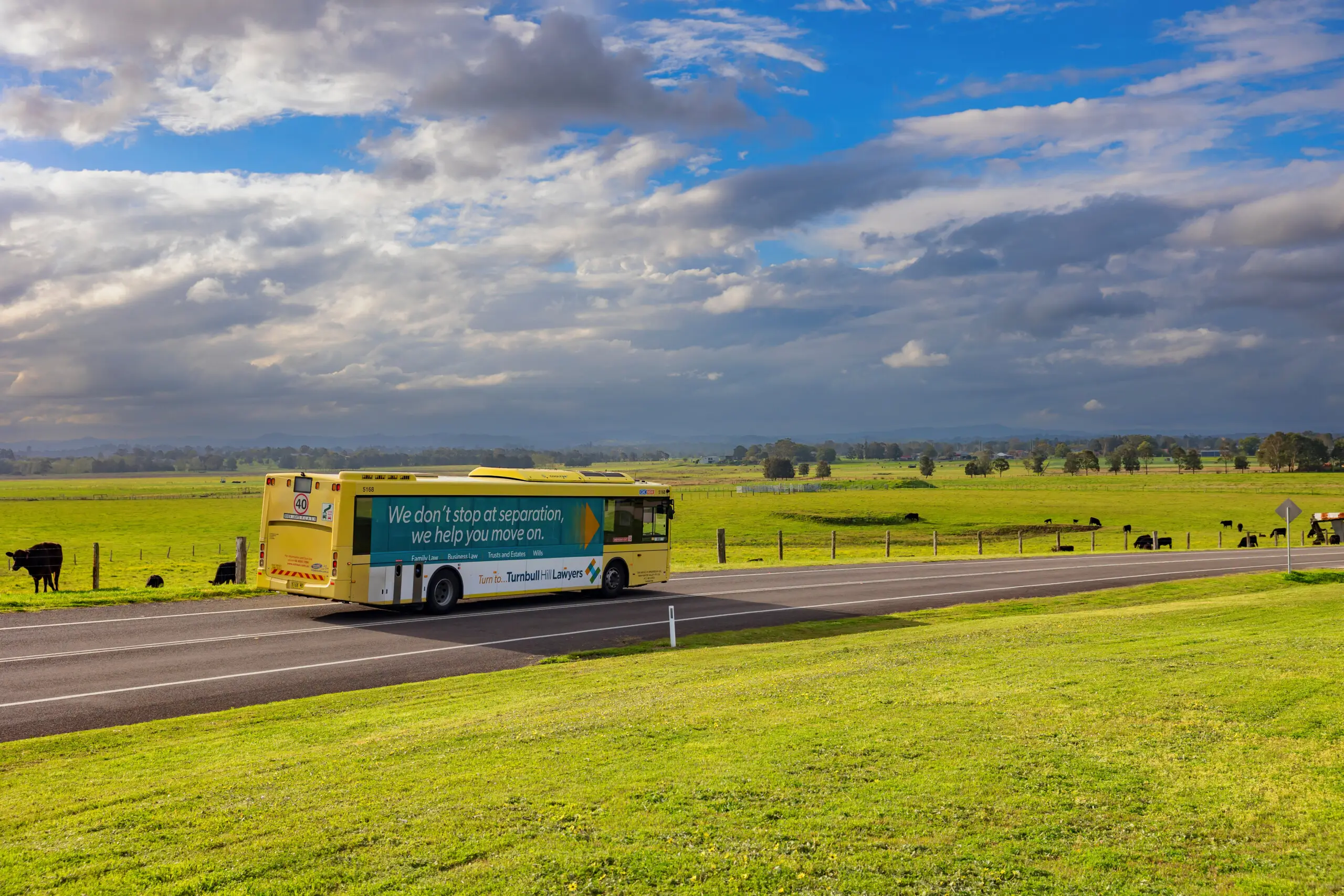
The Hunter Valley is home to growing communities, major industries and a valuable visitor economy. Discover how local businesses can use transit advertising to build recognition across the region and stay visible throughout the customer journey.
In a region as large and diverse as the Hunter Valley, being known in one location is not always enough.
Customers move between homes, workplaces, shopping centres, schools, healthcare services, hospitality venues and visitor destinations every day. For local businesses, this creates a clear advertising opportunity: become visible across the journeys that shape everyday life.
Effective Hunter Valley advertising is not simply about reaching the greatest number of people once. It is about building a consistent presence across multiple locations and repeated journeys so that your business is remembered when a customer is ready to act.
A substantial local market with room to grow
The Hunter Valley is far more than a weekend tourism destination. It is home to established communities, young families, workers and businesses operating across a broad range of industries.
At the 2021 Census, Maitland recorded 90,226 residents, Cessnock recorded 63,632 and Singleton recorded 24,577. Together, those three local government areas represented 178,435 residents, before accounting for visitors or audiences travelling from neighbouring areas.
The opportunity becomes even larger when viewed across the broader Hunter Region. The NSW Government’s Hunter Regional Plan identifies the Hunter as Australia’s leading regional economy, supporting approximately 427,000 jobs. Its population of around 860,000 people is projected to approach 950,000 by 2041, requiring an additional 101,800 dwellings.
For advertisers, these figures point to a region with significant economic activity, expanding communities and changing customer needs. Businesses that establish recognition now have an opportunity to grow alongside the market.
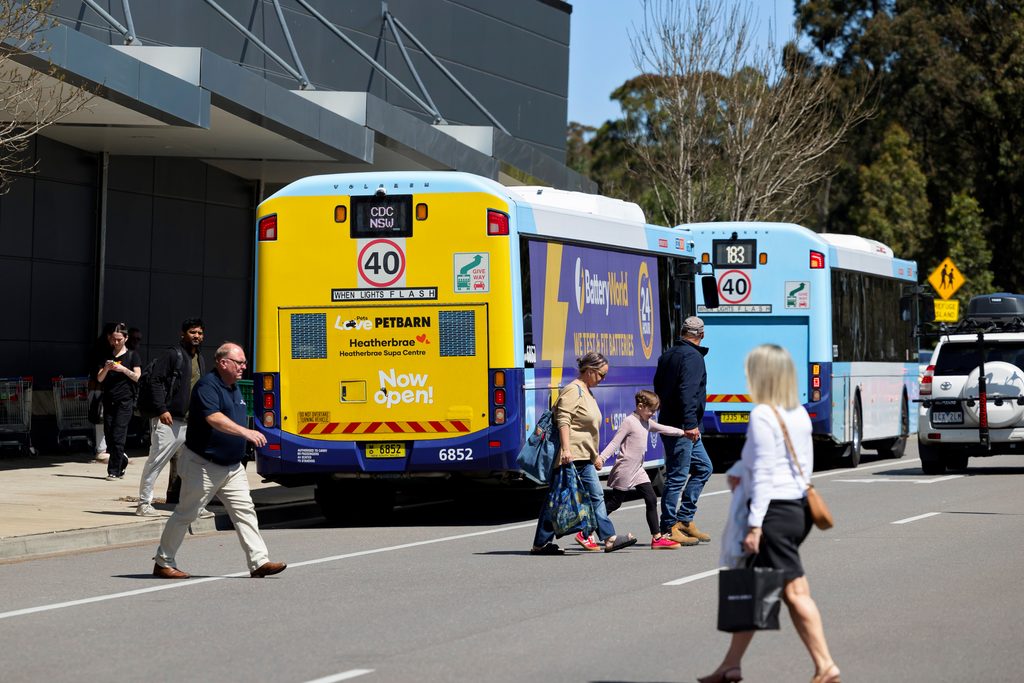
The Hunter Valley is more than a visitor destination
The vineyards and cellar doors may be internationally recognised, but they represent only one part of the Hunter Valley audience.
The region is also shaped by mining, energy, manufacturing, construction, healthcare, agriculture, education, retail and professional services. Residents and workers are making everyday decisions about where to shop, eat, study, seek healthcare and engage local providers.
Tourism adds another valuable layer. According to Cessnock City Council, the visitor economy contributes approximately $501 million in economic output each year within the Cessnock local government area and supports as many as 1,668 jobs. The Hunter Valley Destination Management Plan aims to grow the broader visitor economy from $641 million in 2020 to $958 million by 2030.
This combination of residents, workers and visitors gives local businesses access to several valuable audience groups but only if their advertising is visible where those audiences actually move.
Why local visibility matters
Customers rarely choose a business simply because they have seen its name once. Recognition develops through repeated exposure.
A customer may first notice a brand during the morning commute, see it again near a shopping precinct and recognise it later when searching online. Each exposure helps move the business from unfamiliar to familiar, ready for the recall when a need arises.
This is particularly important for businesses that depend on local reputation and trust, including:
- Healthcare and allied health providers
- Schools, childcare centres and training organisations
- Trades and home-service businesses
- Real estate agencies and property developers
- Retailers and shopping destinations
- Restaurants, hotels and tourism operators
- Automotive businesses
- Professional and financial services
Consistent local advertising can help these businesses build recognition long before the customer makes an enquiry.
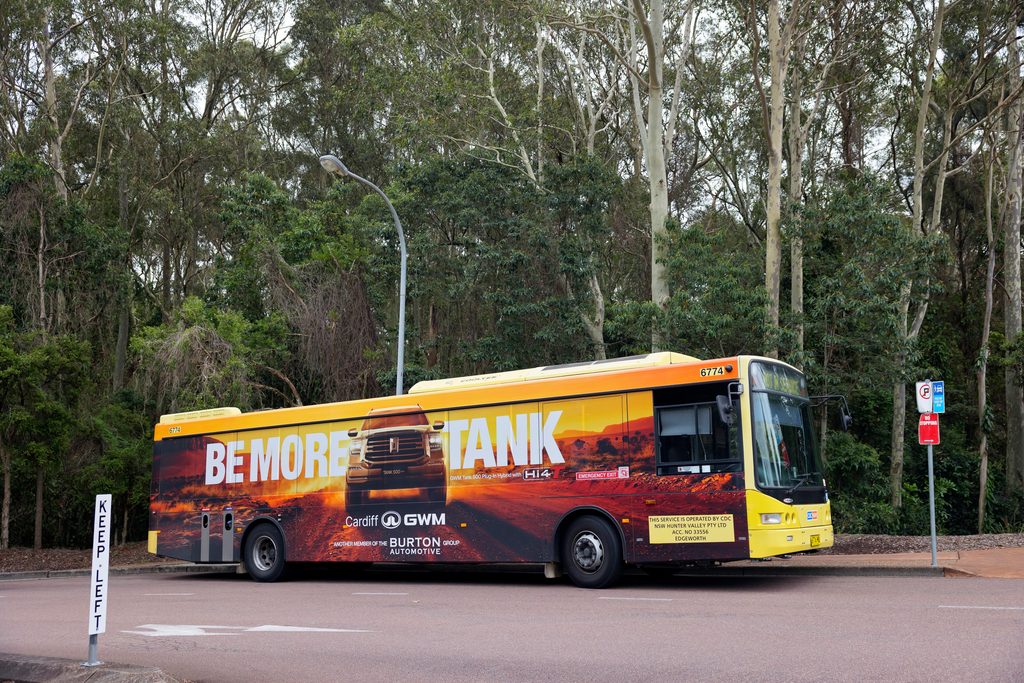
How bus advertising connects Hunter Valley communities
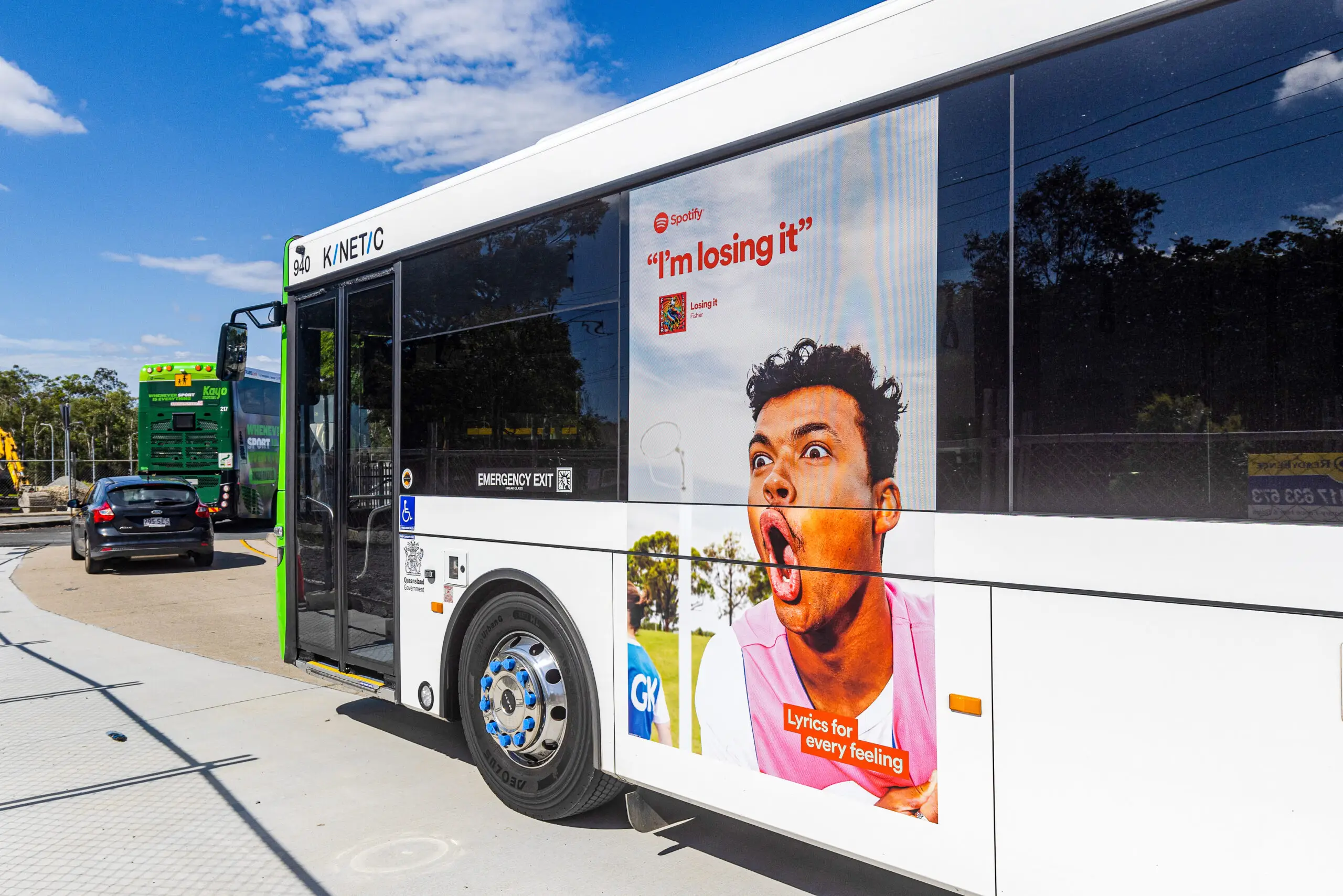
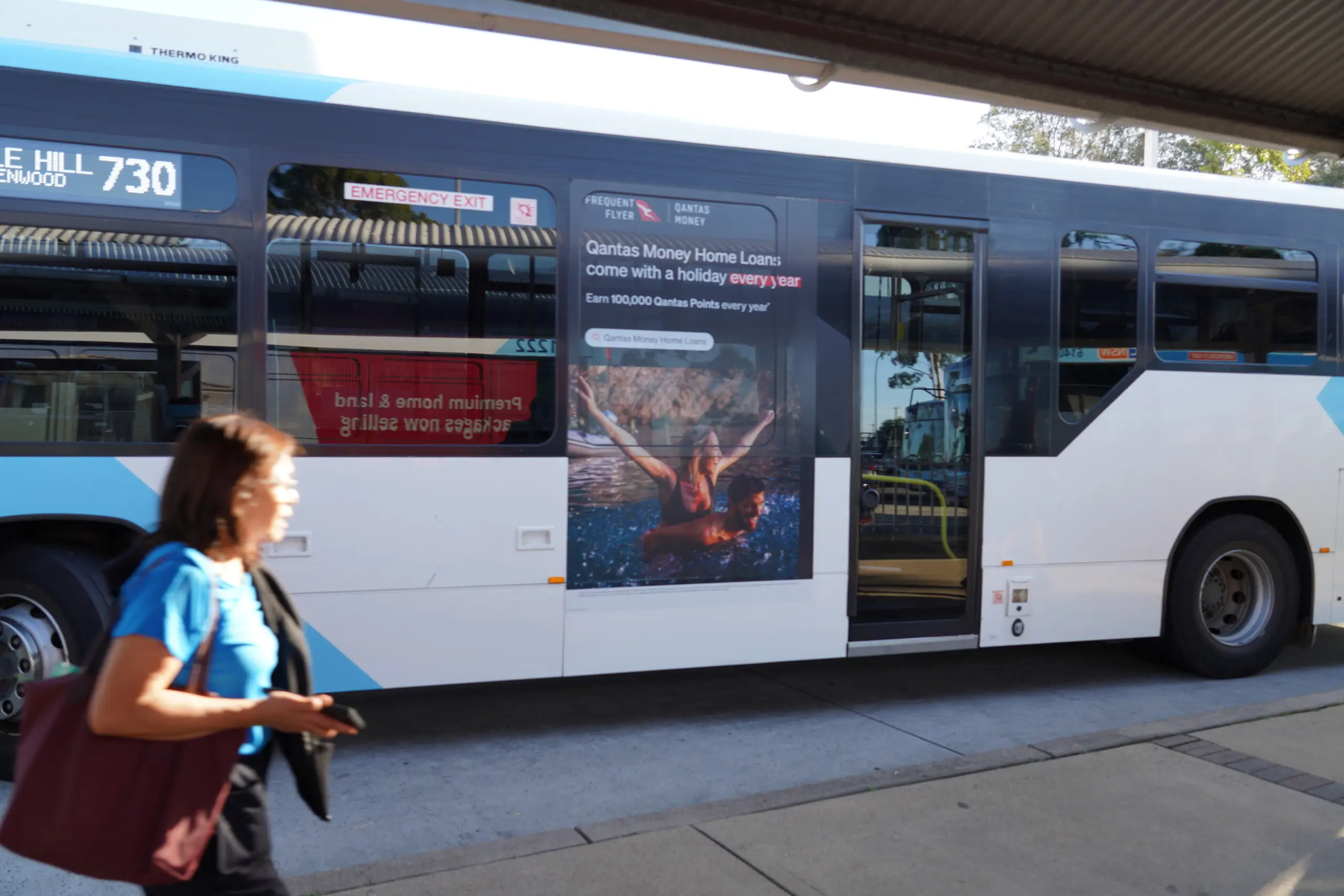
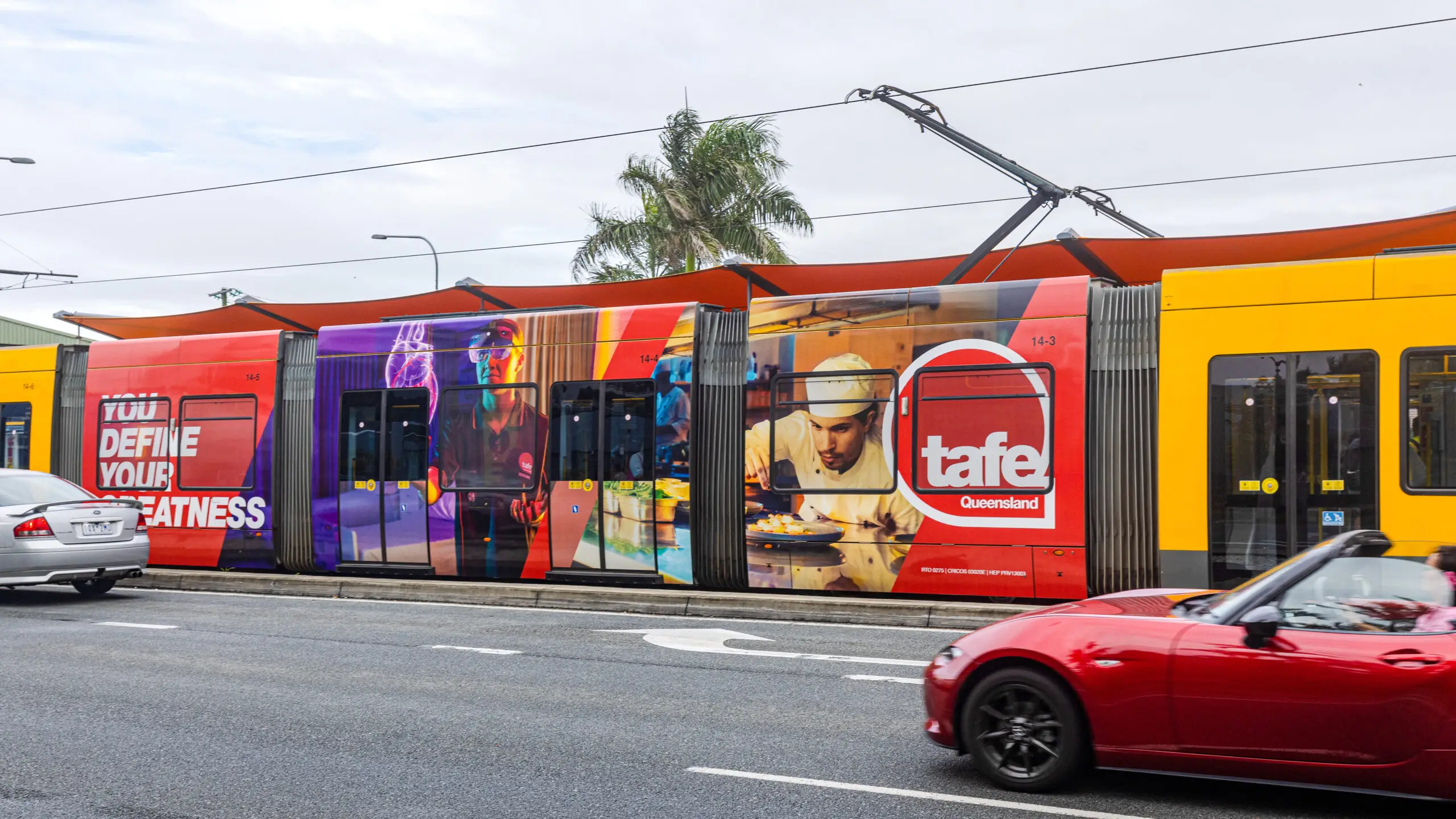
Unlike advertising tied to one screen, street or publication, bus advertising moves with the community.
A bus campaign can travel through residential neighbourhoods, town centres, retail precincts and employment corridors throughout the day. This mobility helps a brand extend its visibility beyond its immediate shopfront or suburb.
The strength of Out of Home advertising is supported by national audience data. The Outdoor Media Association reports that Out of Home reaches 97% of Australians each week, representing approximately 22 million people aged 14 and over. It also reports that nine in 10 people will see roadside or transit advertising during the week.
For businesses considering bus advertising in the Hunter Valley, this means the format can play a valuable role in generating broad awareness while maintaining a strong physical presence within local communities.
Think beyond one suburb or town
Hunter Valley audiences do not operate within neat geographical boundaries. People regularly travel between Maitland, Cessnock, Singleton and surrounding areas for work, education, shopping, healthcare and leisure.
Campaign planning should reflect those movements.
A restaurant may want to reach residents planning their weekend as well as visitors deciding where to dine. A home builder may need to connect with established homeowners and people exploring developing residential areas. A healthcare provider may want to reach patients across several nearby communities rather than only those living close to its practice.
Transit advertising allows a campaign to build visibility across multiple points in the customer journey, helping businesses reach people before, during and after they enter a particular commercial area.
The Surprising Audience for Bus Advertising Is Not on the Bus
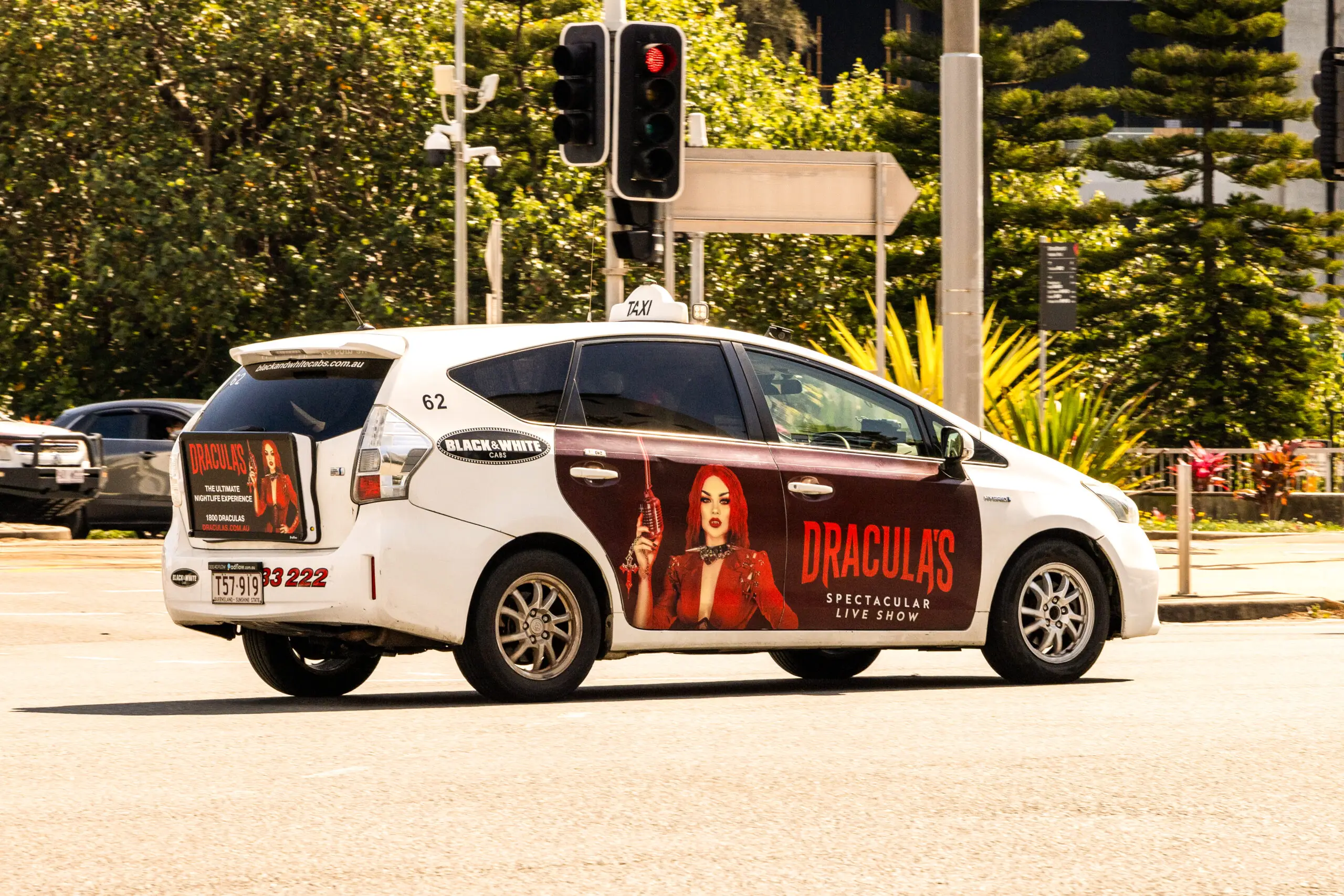
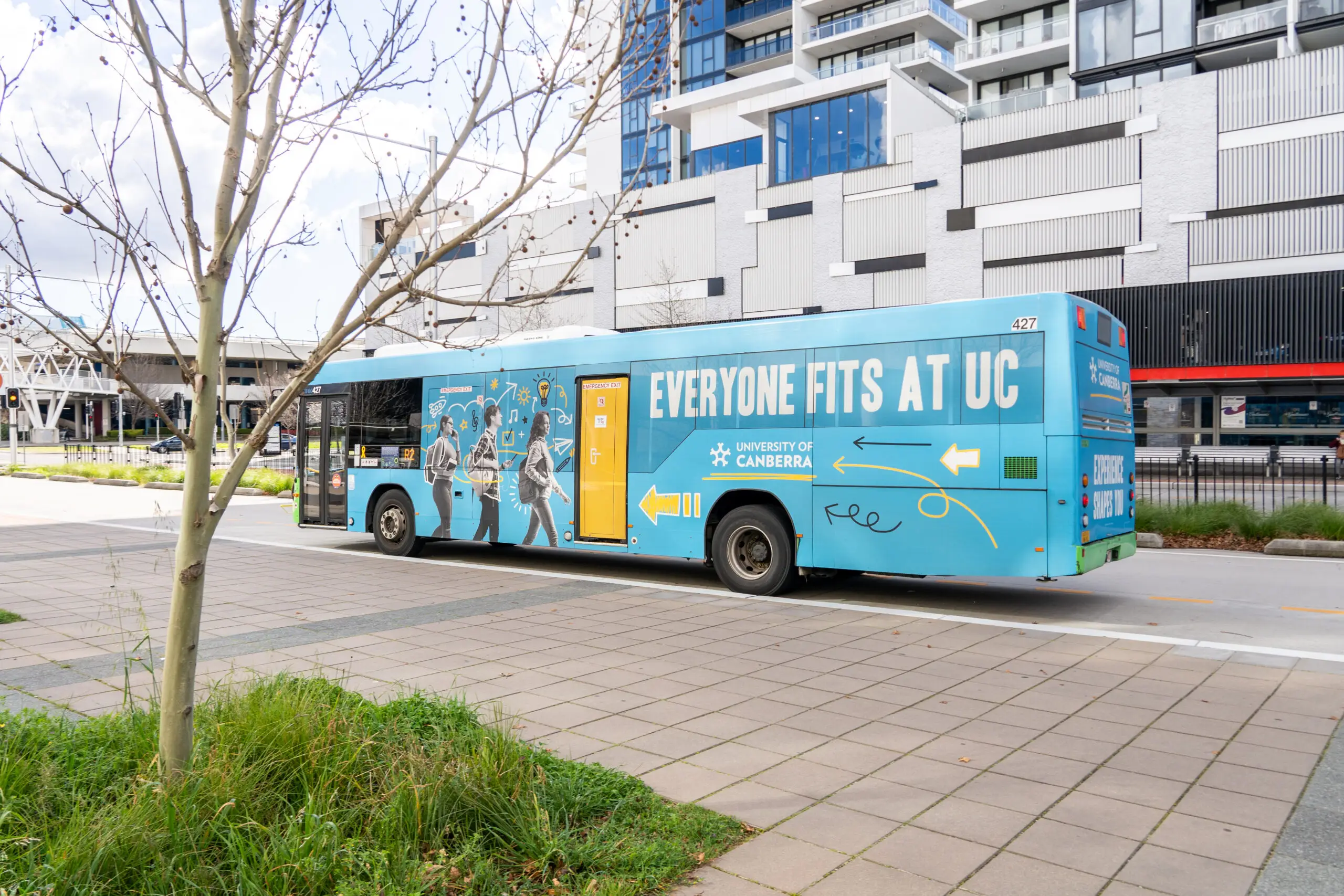
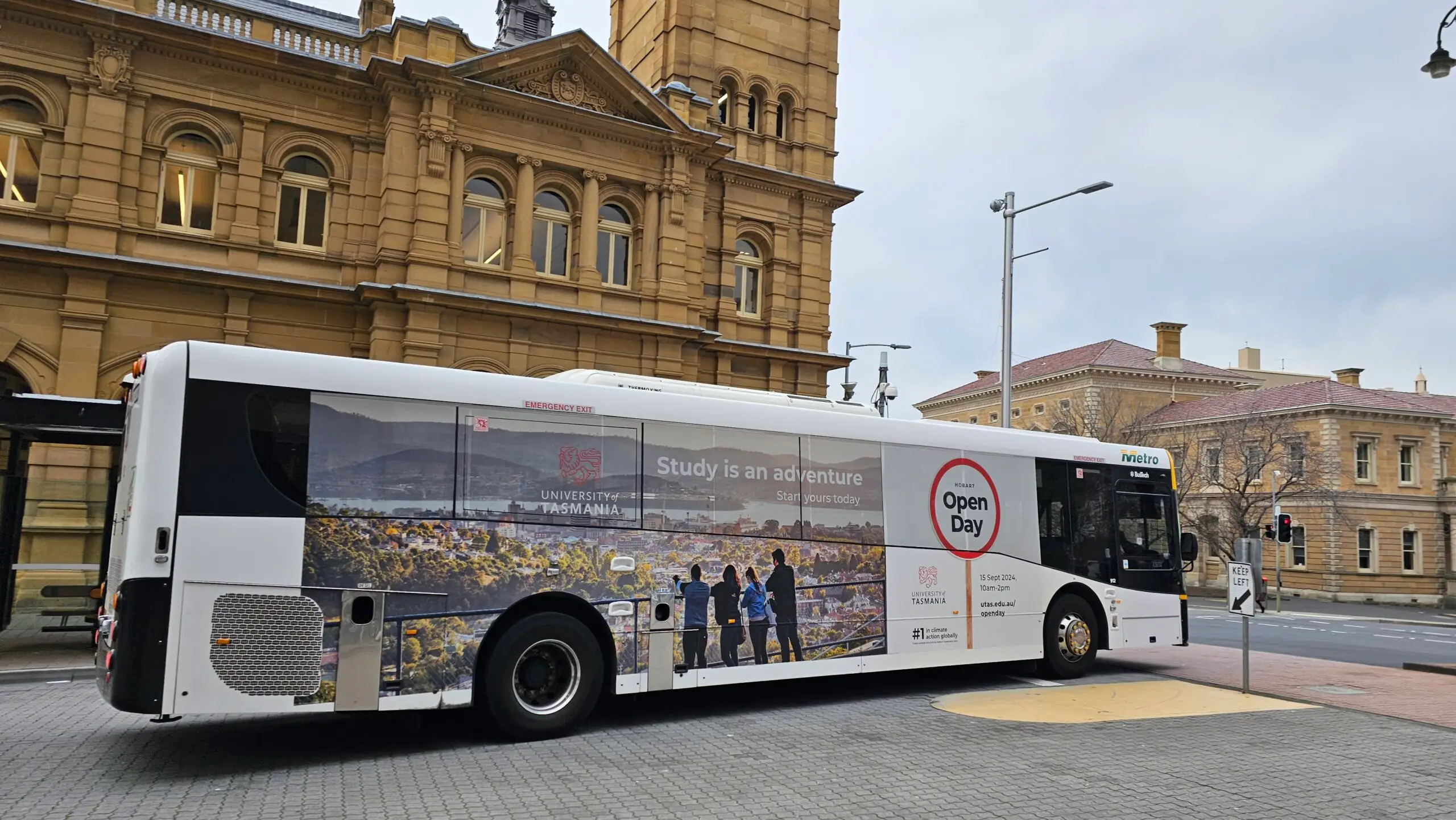
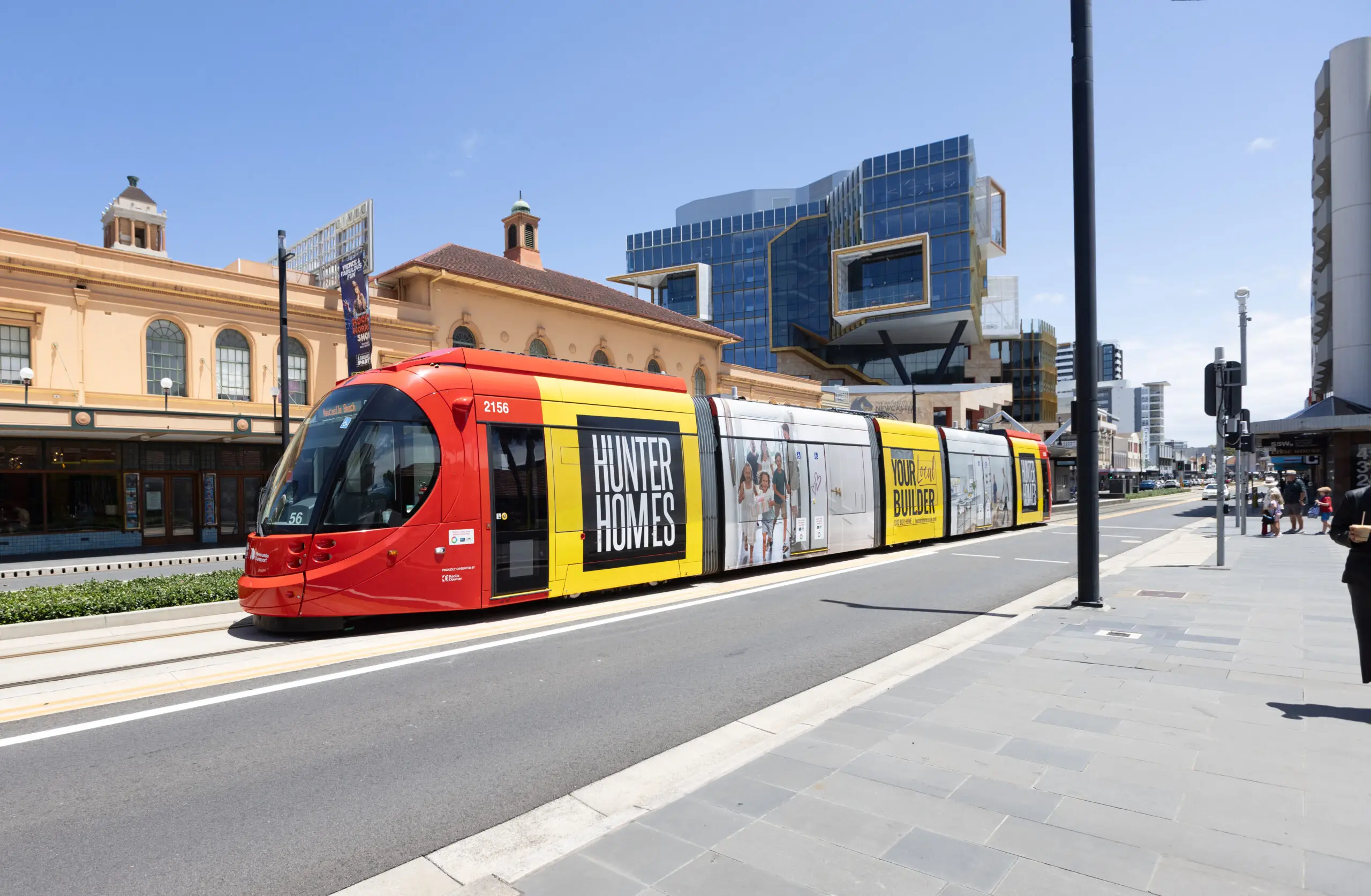
One of the biggest misconceptions about bus advertising is that it mainly reaches bus passengers. In reality, the advertisement is displayed on the outside of the vehicle, turning the bus into a large-format moving billboard for motorists, pedestrians, shoppers and people throughout the surrounding community.
That distinction is particularly relevant in the Hunter Valley. The 2021 Census recorded an average of two motor vehicles per household in both Maitland and Cessnock, increasing to 2.2 vehicles per household in Singleton.
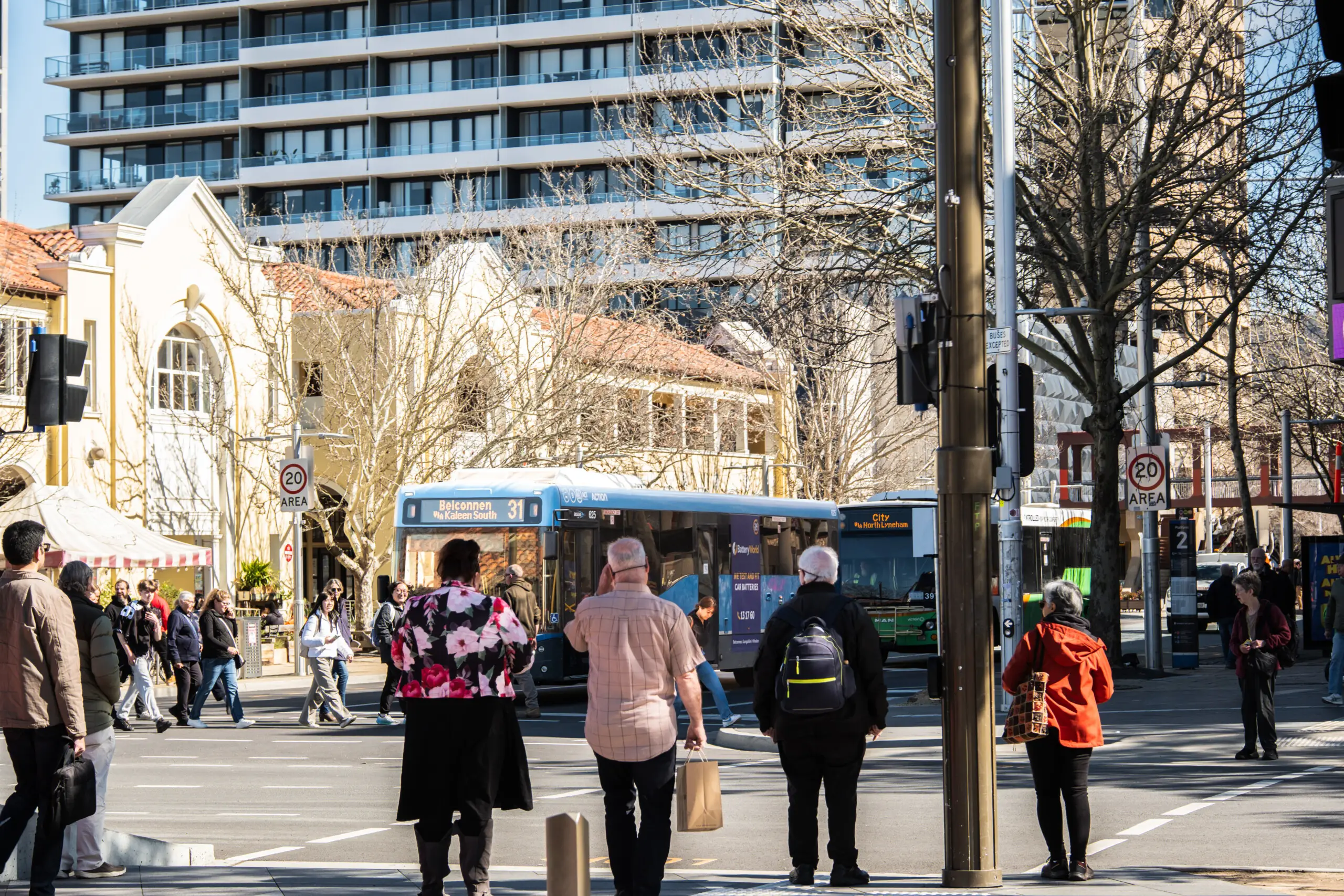
The audience is therefore much larger than the people using public transport. Every time an advertising bus travels through a town centre, residential area, retail precinct or employment corridor, the campaign can be seen by people in nearby cars, on the street and at local businesses.
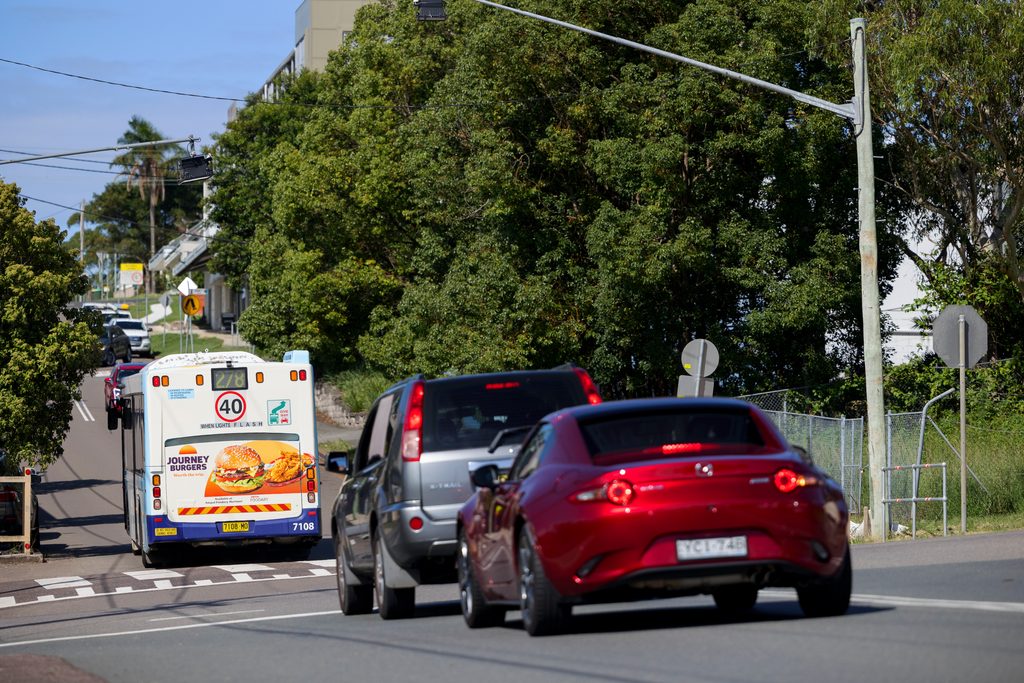
National figures reinforce the scale of that opportunity. The Outdoor Media Association reports that nine in 10 Australians will see roadside or transit advertising during the week.
For advertisers, this changes the way bus media should be viewed. It is not simply an ad on public transport. It is a highly visible piece of outdoor media that moves through the market, taking the brand to audiences rather than waiting for audiences to come to it.
Advertise before demand reaches its peak
The Hunter Valley’s audience and economy shift throughout the year. Tourism seasons, concerts, weddings, school terms, community events and holiday travel can all influence customer behaviour.
The strongest campaigns begin before demand peaks. This gives the brand time to build recognition while customers are still researching, comparing their options and making plans.
For accommodation providers, attractions and restaurants, that may mean advertising ahead of major visitor periods. Schools and education providers can align campaigns with enrolment and open-day activity. Retailers, healthcare providers and property businesses can build their schedules around relevant seasonal or life-stage decisions.
The objective is to become familiar before the customer enters the market, not after the decision has already been made.
Combine transit and digital advertising
Transit advertising and digital marketing can perform different but complementary roles.
Bus advertising builds public visibility across physical locations. Search, social media and a business’s website then provide places for customers to research, compare and respond.
Keeping the campaign’s colours, message and offer consistent across these channels makes the overall strategy easier to recognise. A customer may notice the brand on a bus, encounter it again online and feel more confident engaging with a business they have already seen in their community.
Campaign-specific landing pages, promotional codes, enquiry questions and website traffic monitoring can also help connect brand visibility with measurable action.
Build a presence that moves with the Hunter Valley
For local businesses, effective Hunter Valley advertising is not about appearing everywhere. It is about being visible in the right communities, along the right journeys and with enough consistency to become known.
Bus advertising gives brands the scale and movement to reach beyond a single street, screen or shopfront. It carries a message through the places where people live, work, shop and spend their time, helping turn local exposure into lasting recognition.
At GoTransit, we help advertisers match their objectives with the right transit formats, locations and campaign timing. Whether you are building brand awareness, launching a new location, promoting an offer or expanding into new Hunter Valley communities, our team can help you develop a campaign designed for the way the region moves.
Put your business in front of the Hunter Valley
GoTransit helps brands turn everyday travel into meaningful visibility. By combining local market knowledge, audience insights and high-impact transit formats, we can build a campaign around the people and places that matter most to your business.
The GoTransit Hunter Valley audience at a glance
- GoTransit’s network has 97% market penetration in the Hunter Valley
- 87% of this population being motorists
These figures can demonstrate the scale of GoTransit’s local network and show advertisers how frequently their message could be seen across the region.
Hunter Valley campaigns in action
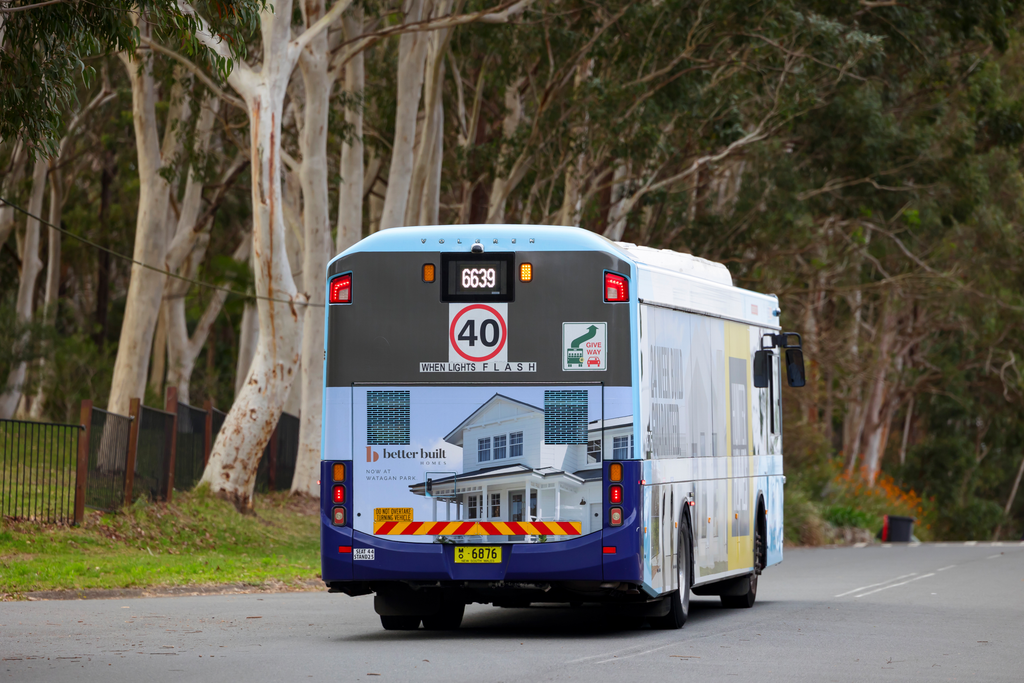
Better Built Homes
- 2 x Full Backs, on road for 52 weeks
- Reach: 297,224
- Frequency: 3.3x
- Impressions: 980,307
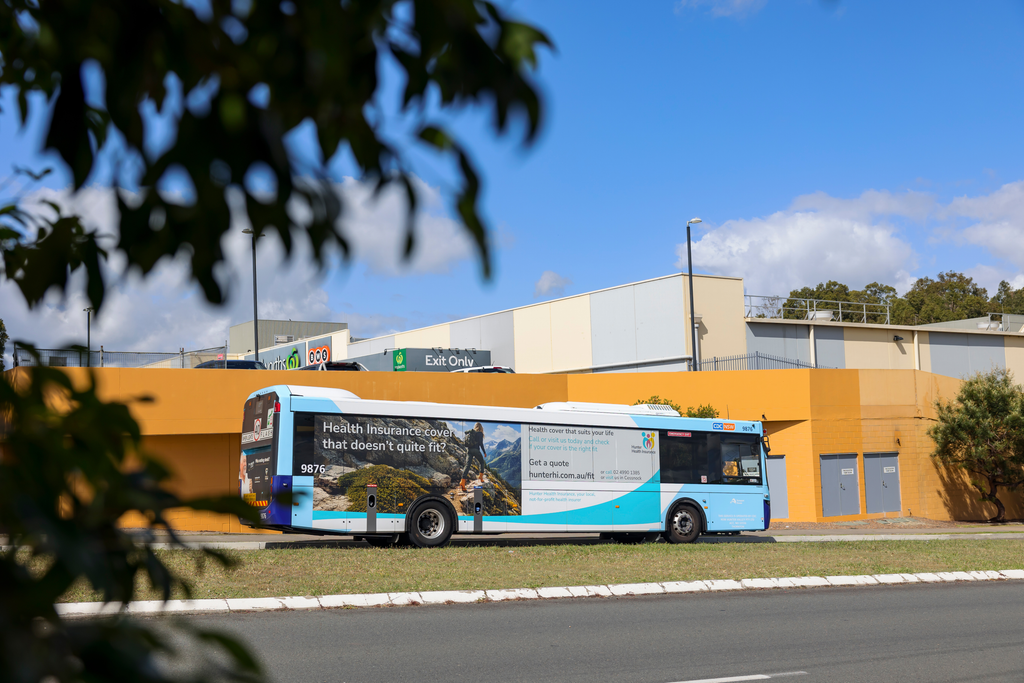
Hunter Health Insurance
- 2 x Megasides, on road for 25 weeks
- Reach: 305,031
- Frequency: 3.41x
- Impressions: 1,038,871
Whether your priority is reaching local families, daily commuters, regional workers or visitors exploring the Hunter Valley, GoTransit can help shape a campaign around your audience and business goals.
Ready to make your business more visible across the Hunter Valley?
Speak with the GoTransit team to explore available formats, review local audience insights and build a campaign for the way the Hunter Valley moves.
Frequently asked questions about Hunter Valley advertising
Why should local businesses advertise in the Hunter Valley?
The Hunter Valley combines established residential communities, major employment sectors and a valuable visitor economy. Advertising across the region can help businesses connect with locals, workers and visitors rather than relying on a single audience or location.
What makes bus advertising effective for local businesses?
Bus advertising moves through residential areas, town centres and commercial precincts, helping a campaign achieve repeated visibility across several locations. It can be particularly effective for businesses wanting to build broad local awareness and recognition.
Which Hunter Valley businesses can use transit advertising?
Transit advertising can support businesses across healthcare, education, property, retail, hospitality, tourism, automotive services, trades and professional services. The most suitable format and location will depend on the campaign’s audience, objective and budget.
When is the best time to run a Hunter Valley advertising campaign?
Timing should reflect when customers begin researching and comparing options. Starting before peak demand—such as tourism periods, school enrolments, seasonal retail activity or major events, allows more time for the campaign to build familiarity.
How can a business measure a bus advertising campaign?
Campaign performance can be assessed using estimated reach and frequency, website traffic, landing-page visits, enquiries, promotional codes and changes in branded search activity. MOVE, Australia’s Out of Home audience measurement system, can also help advertisers understand when, where and how audiences move across measured outdoor formats.
How long should a bus advertising campaign run?
The ideal duration depends on the objective, audience and market. Brand-building campaigns generally benefit from sustained exposure, while promotional campaigns can be timed around a launch, event or seasonal decision period. GoTransit can recommend timings based on the campaign goal.
Can GoTransit help select the right locations and formats?
Yes. GoTransit’s team can help advertisers identify suitable transit formats and locations based on who they want to reach, where that audience travels and what the campaign needs to achieve.
Source List
- Australian Bureau of Statistics — 2021 Census QuickStats: Maitland
- Australian Bureau of Statistics — 2021 Census QuickStats: Cessnock
- Australian Bureau of Statistics — 2021 Census QuickStats: Singleton
- NSW Government — Hunter Regional Plan 2041
- Cessnock City Council — Hunter Valley Destination Management Plan and Situational Analysis
- Outdoor Media Association — Out of Home audience reach and MOVE
- OOH Advertising solutions in the Hunter Valley, NSW | GoTransit

Have a question about something in this story?
Send us a message or have a chat to our friendly team.
Get in touch