Australia is growing, shifting and becoming increasingly influential, yet many national media plans still treat regional audiences as a secondary consideration. For brands investing in out-of-home, the opportunity is no longer simply metro-first; it is about building genuinely national reach where Australians are living, moving and spending.
Regional Australia is changing, and media planning needs to change with it.
For too long, regional advertising has been treated as the “we’ll see what’s left” portion of a campaign. Metro markets are locked in first, budgets are allocated to capital cities, and regional coverage is often considered only if there is remaining spend.
But that approach is increasingly out of step with how Australians live, work, travel and spend.
When we talk about “regional Australia”, we are not only talking about remote towns or small communities. In media terms, regional often refers to markets outside the major capital city areas. That can include large, fast-growing lifestyle and economic hubs such as the Sunshine Coast, Gold Coast, Geelong, Newcastle, Townsville, Cairns and other significant population centres.
In other words, regional does not mean small. It does not mean low value. And it certainly does not mean irrelevant.
Regional Australia Is Growing in Strategic Importance
Population movement continues to show a sustained appetite for regional living. The Regional Australia Institute’s Regional Movers Index, produced with Commonwealth Bank, has consistently tracked movement between capital cities and regional areas. Recent reports show that capital-city-to-regional migration continues to outpace movement in the opposite direction, reinforcing a long-term shift in where Australians are choosing to live.
The Australian Bureau of Statistics also continues to report population change across Australia’s capital cities and regions, showing that growth pressures are not limited to metropolitan areas. Regional communities are expanding, infrastructure demand is increasing, and housing, employment and lifestyle factors are reshaping local economies.
For advertisers, this matters because audiences do not stop being valuable when they leave a capital city. In fact, many regional audiences are highly engaged with their local environments. They commute, shop, attend events, travel for work, take children to school, visit tourism destinations and move through familiar routes repeatedly.
That is exactly where out-of-home advertising can be powerful.
Misconception 1: “Regional Is Too Low Scale”
Scale is important, but scale should not be confused with saturation.
A regional out-of-home campaign can deliver meaningful coverage in markets where audiences are often less overwhelmed by competing media noise. In high-growth regional centres, the value is not only in the size of the audience, but in the quality and consistency of exposure.
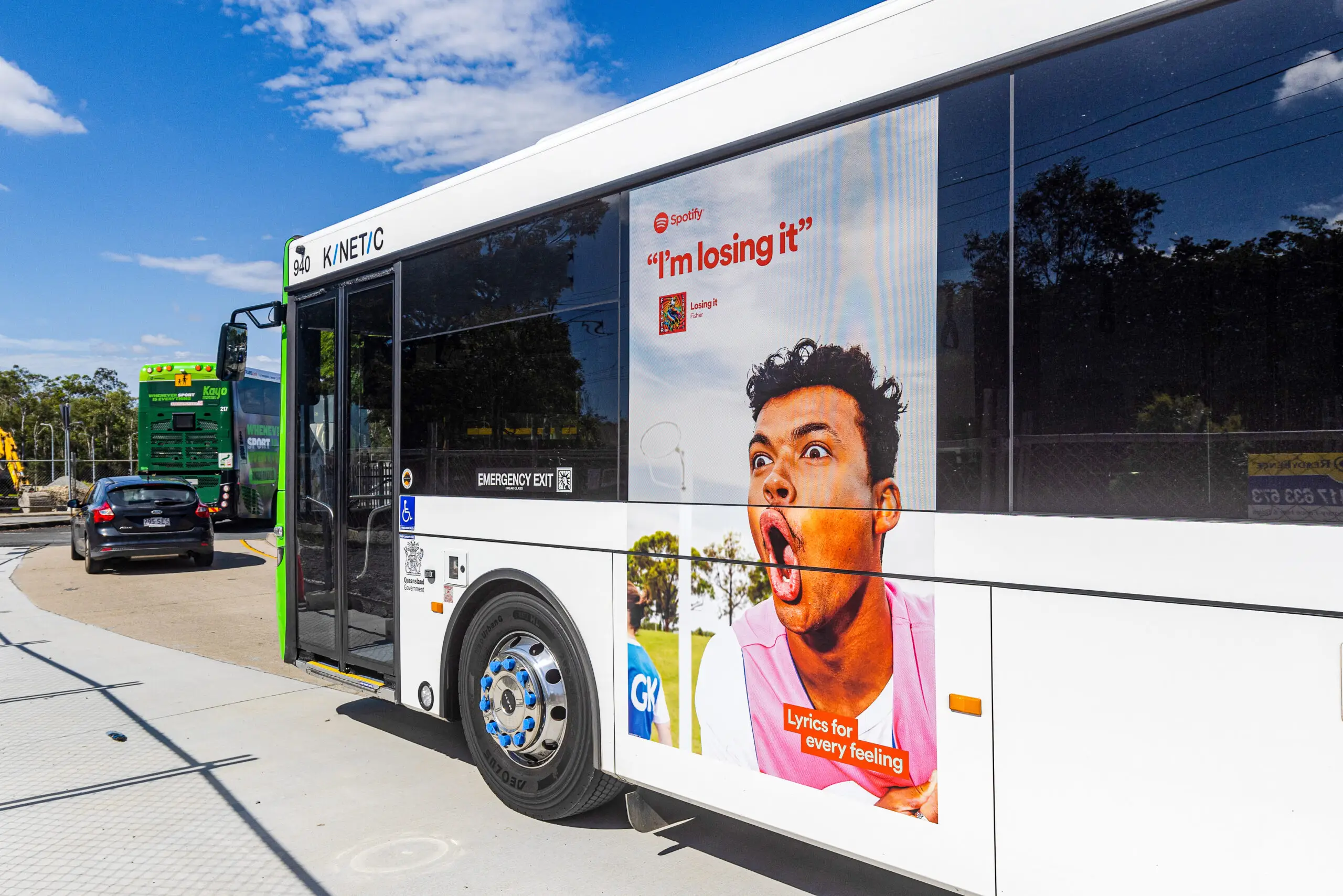
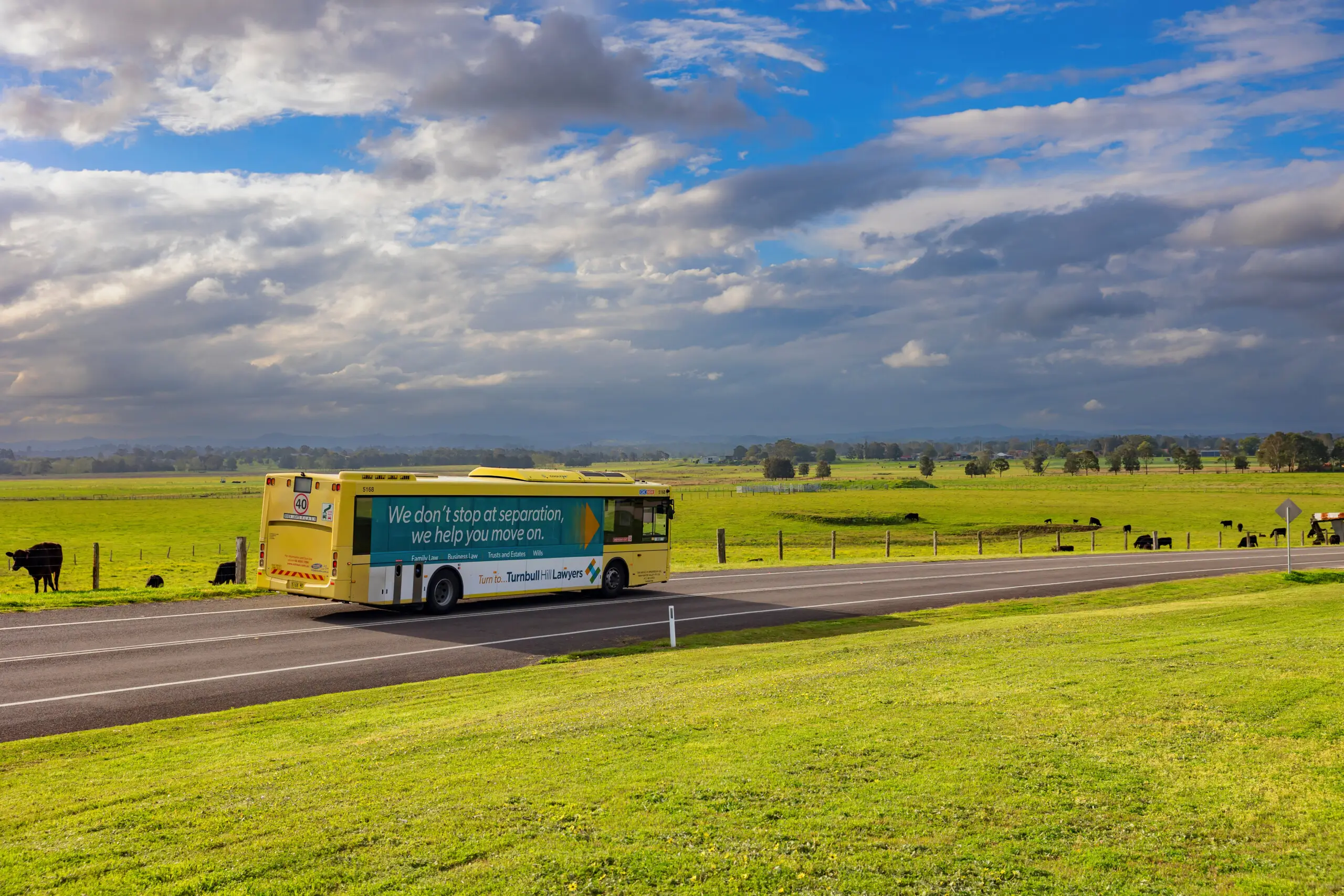
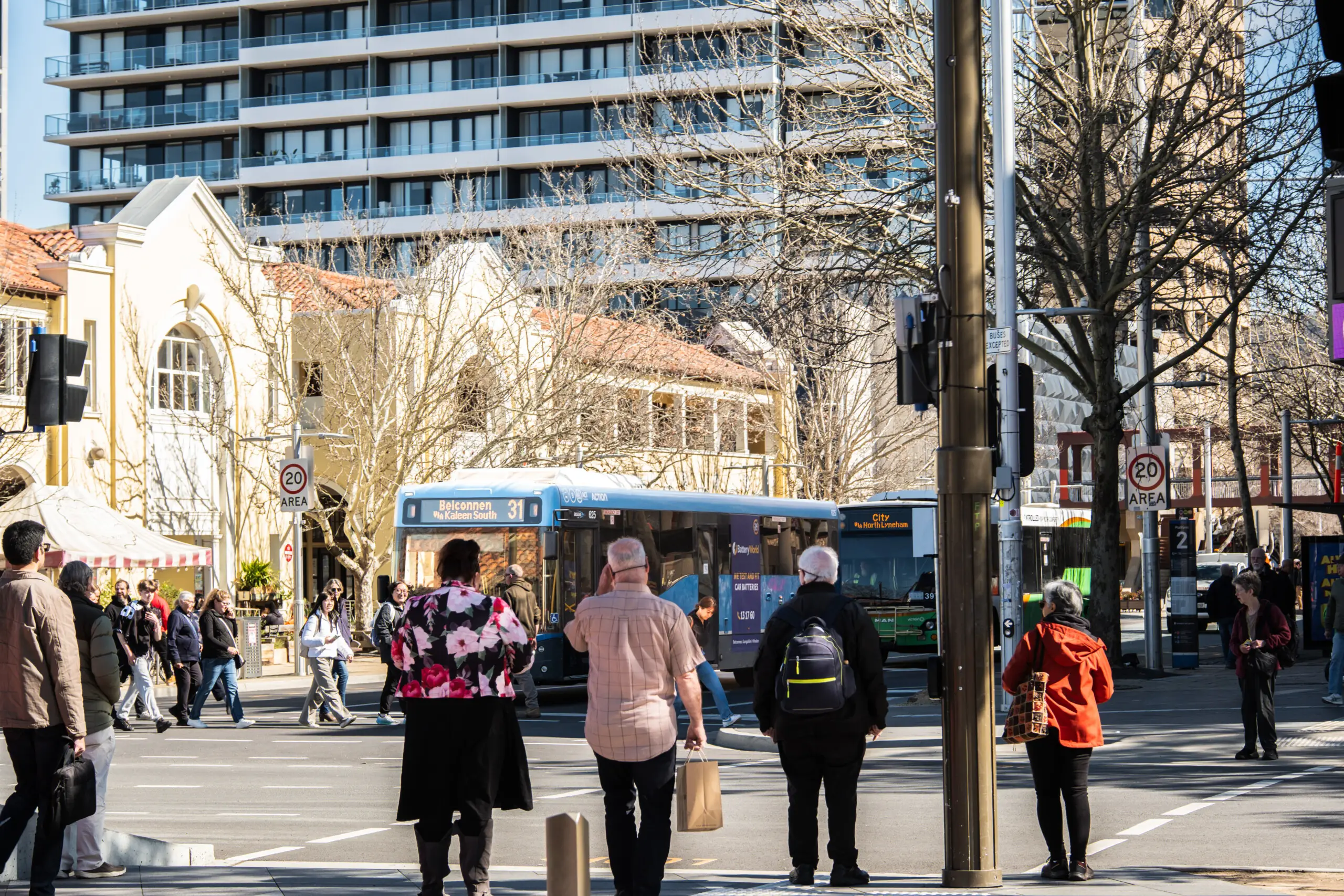
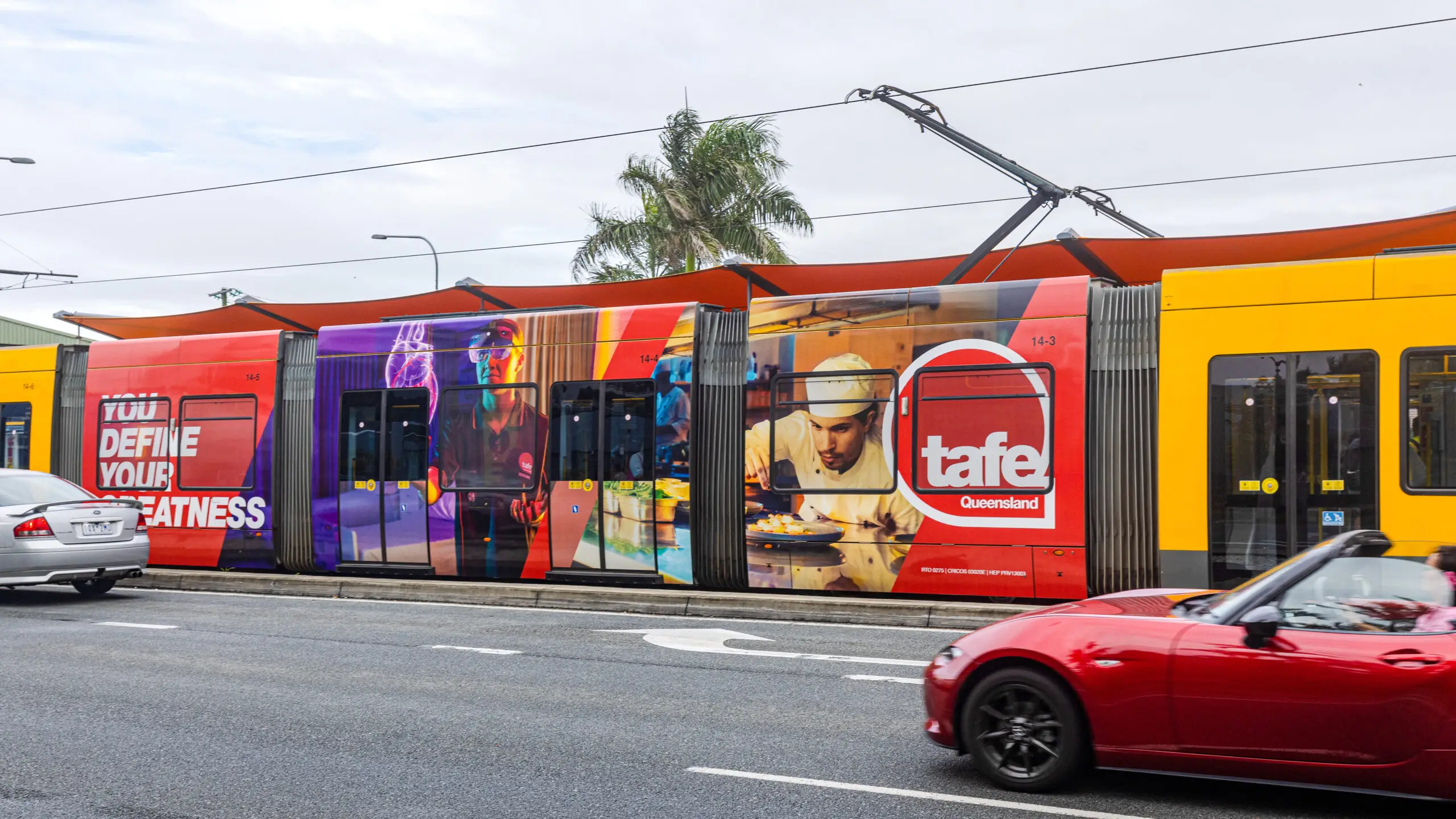
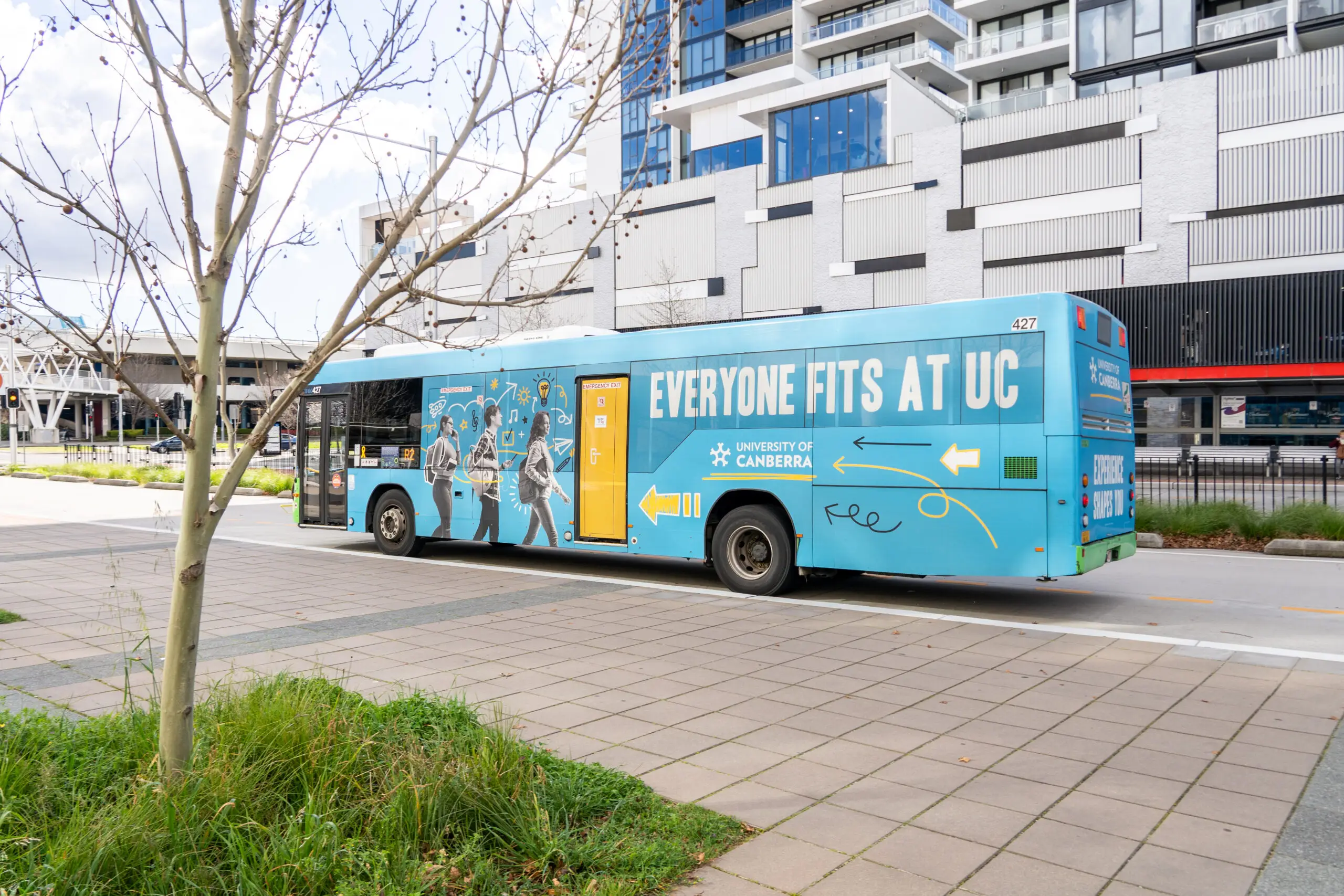
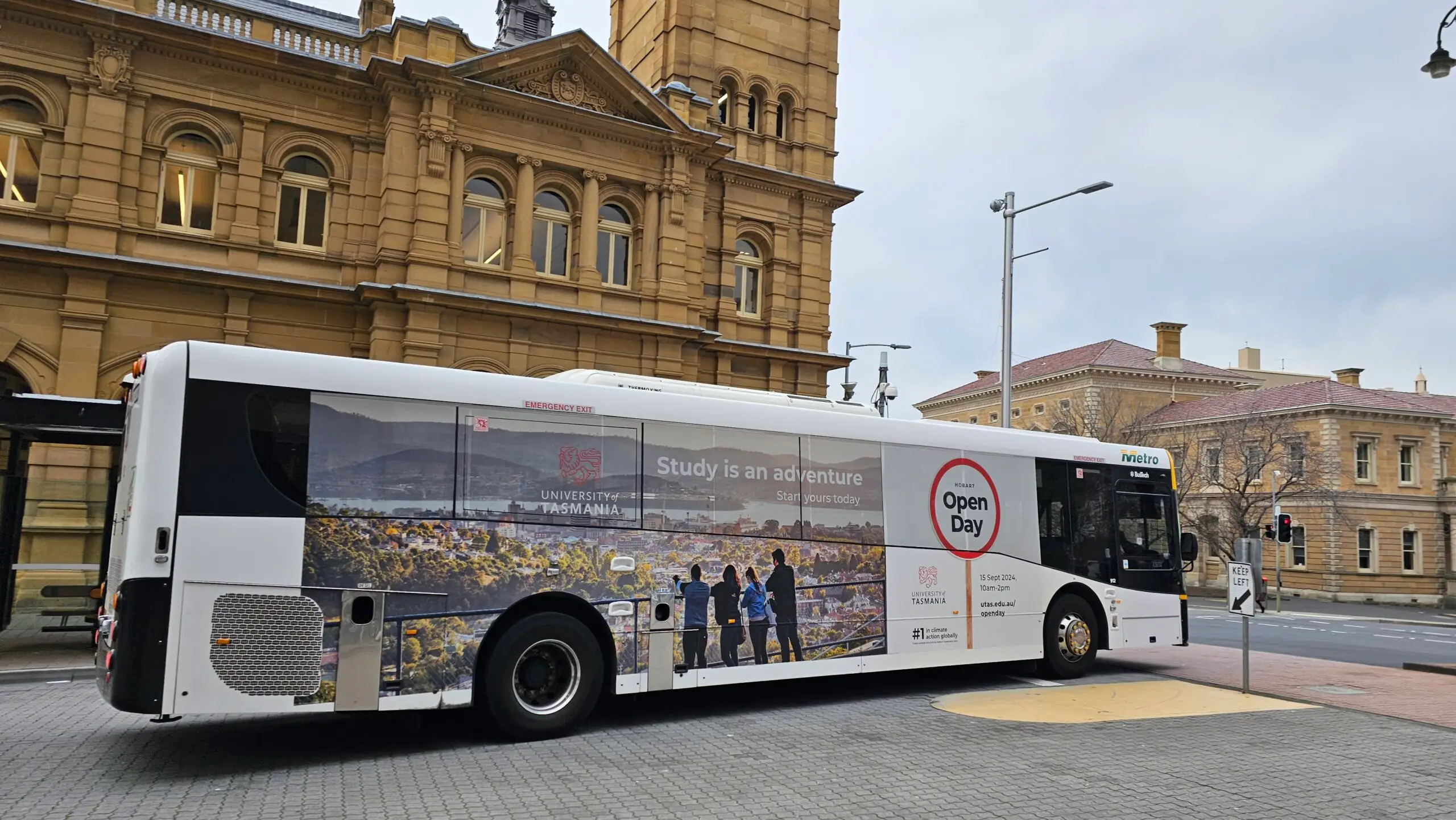
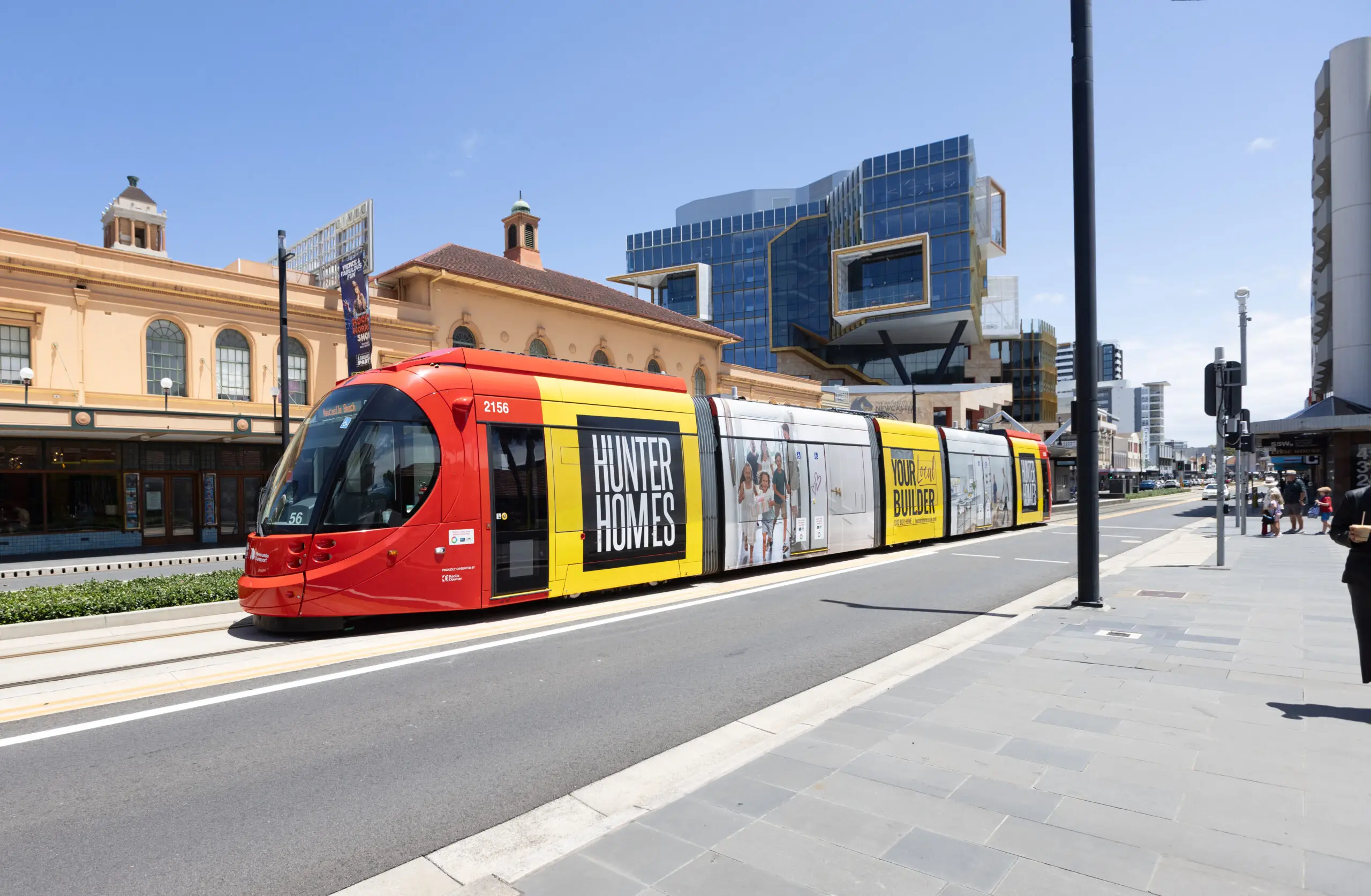
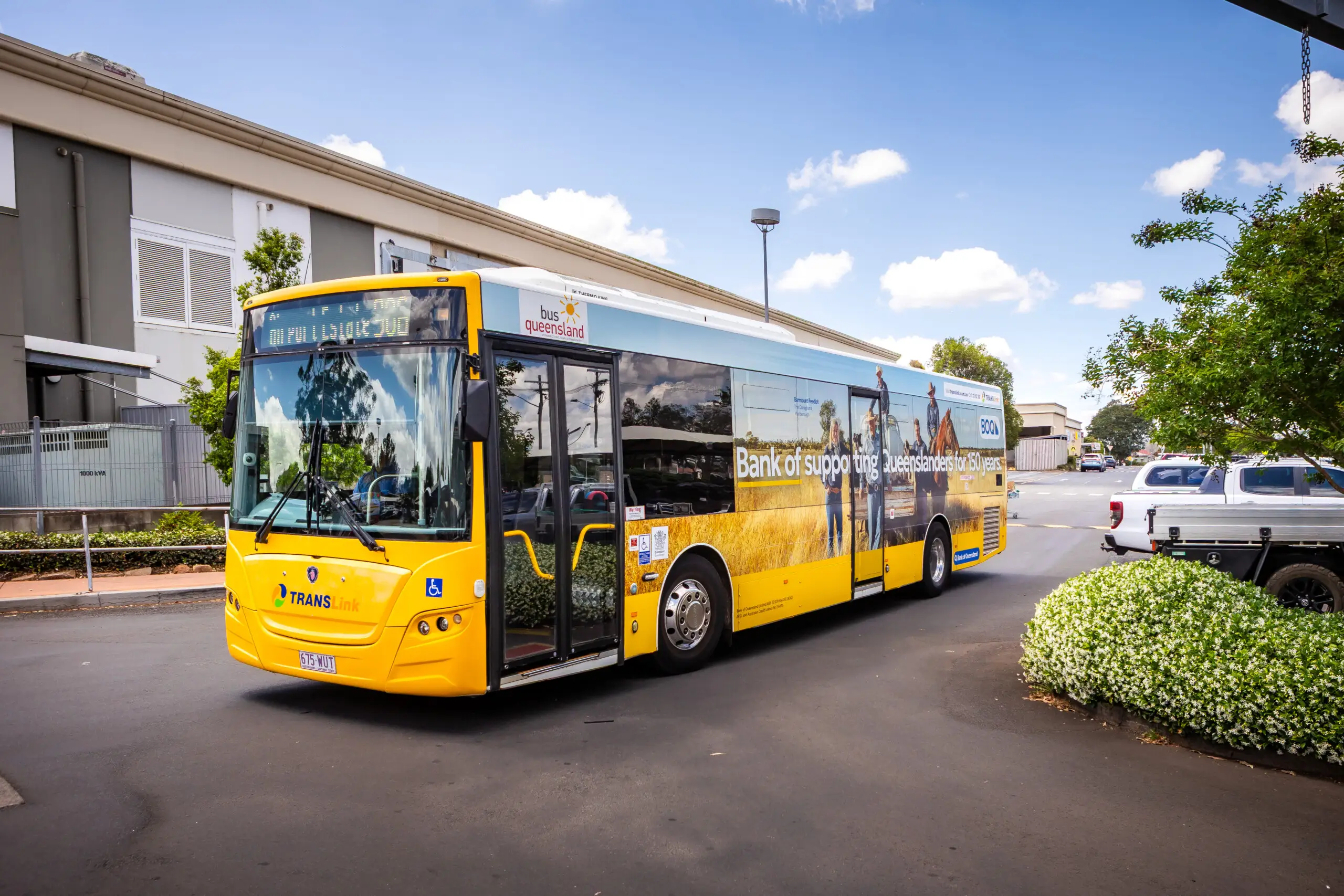
Transit media, in particular, has a strong role to play. Buses, taxis and light rail move through the same streets, retail precincts, commuter corridors and community hubs that shape daily life. For local residents, that creates repeated visibility. For visitors and tourists, it creates contextual exposure in active, high-movement environments.
A smaller market can still deliver strong impact when the campaign is planned around audience behaviour, movement patterns and local relevance.
Misconception 2: “Regional Audiences Aren’t Premium”
Premium is not a postcode.
The idea that regional audiences are less valuable than metro audiences is outdated. Regional Australia includes families, business owners, tradespeople, professionals, students, retirees, healthcare workers, tourism operators, commuters and high-spending visitors.
Many people moving into regional areas are doing so with established careers, accumulated wealth, remote or hybrid work flexibility, and a desire for lifestyle, space and community. Others are long-term locals with strong loyalty to the businesses, services and brands that show up consistently in their area.
This creates an important opportunity for brands. Regional audiences can be highly connected to place, highly responsive to local relevance, and repeatedly exposed to outdoor formats as part of their everyday routines.
For categories such as retail, automotive, tourism, education, finance, health, government, FMCG and local services, regional reach can be a strategic growth lever rather than a secondary consideration.
Misconception 3: “Regional Is Hard to Justify”
Historically, regional out-of-home may have been harder to justify because marketers wanted stronger data, clearer measurement and more confidence in audience delivery.
That gap is closing.
Australia’s out-of-home industry continues to evolve through improved measurement, audience visibility and planning tools. MOVE, the industry’s audience measurement platform, is designed to provide greater transparency around out-of-home visibility and exposure, helping advertisers make more informed planning decisions.
This matters because regional advertising should not be sold purely on sentiment. It should be planned strategically, measured properly and understood as part of the broader customer journey.
The question is no longer whether regional can be justified. The question is whether a campaign that excludes high-growth regional markets can still claim to be truly national.
A More Modern View of National Reach
A national campaign should reflect the nation as it is, not just the capital city map.
Australians are moving differently. Communities are expanding. Regional centres are becoming more economically and culturally influential. Tourism and local mobility are changing how audiences interact with place. Meanwhile, brands are under increasing pressure to reach people in ways that feel visible, relevant and trusted.
Regional out-of-home advertising offers a practical way to do that.
It places brands in the environments where people live their daily lives. It supports repeated exposure across local journeys. It builds presence in communities that are too often underweighted in national media strategies. And it helps brands show up beyond the same crowded metro corridors.
For marketers, the opportunity is clear: stop treating regional as the optional add-on and start treating it as a strategic part of the plan.
Because when a campaign is called national, audiences outside the capital cities should be able to see themselves in it too.
Source List:
- U636 RMI September 2024 Report
- Regional Movers Index
- Regional population, 2024-25 financial year | Australian Bureau of Statistics
- OMA MOVE | Measurement of Outdoor Visibility and Exposure
- MOVE LIVE for the Out of Home Industry

Have a question about something in this story?
Send us a message or have a chat to our friendly team.
Get in touch